
Lake Tahoe is one of the most visited alpine destinations in the United States, straddling the California–Nevada border in the Sierra Nevada. Its famously clear blue water, ringed by forested peaks, makes it a year-round base for hiking, skiing, boating, and simply slowing down.
Which part of the lake you stay on shapes your trip more than anything else, so it pays to plan around your interests: the lively south shore for nightlife and big resorts, or the quieter north shore for a slower, low-key escape.
South Lake Tahoe
South Lake Tahoe is the busiest side of the lake, built around Heavenly Mountain Resort and the shops, restaurants, and casinos of the Heavenly Village area. In winter it is all about skiing and snowboarding; in summer the focus shifts to hiking, mountain biking, kayaking, and boating. The area also has the widest choice of lodging, so if you are still deciding where to stay, these tips for saving money on hotels can help you book well without overpaying. Busy tourist areas attract the occasional hustler too, so it is worth knowing the common travel scams to watch out for in 2026 before you arrive.
North Lake Tahoe
North Lake Tahoe is the quieter side, centered on small towns like Tahoe City and Kings Beach. The pace is slower, the beaches calmer, and the trails less crowded than around the south shore. It is a good fit if you want a lake-focused trip built around swimming, paddleboarding, easy shoreline walks, and historic spots like the lakefront estates.
Lake Tahoe’s Scenic Trails
The Tahoe Basin is threaded with trails, and a few are worth planning a day around. The Eagle Lake Trail is a short, rewarding hike with views over a small alpine lake, while the longer Mount Tallac Trail climbs to one of the best panoramic viewpoints above the lake. Start early in summer: trails and parking fill up fast, and afternoon weather can change quickly.
Lake Tahoe Ski Resorts
In winter, Tahoe ranks among the top ski destinations in the western United States. Heavenly Mountain Resort spans the California–Nevada line with wide terrain and lake views, while Palisades Tahoe (renamed from Squaw Valley in 2021) is known for its steep, expert terrain and Olympic history. Buy lift tickets in advance online whenever possible — walk-up prices at major resorts are significantly higher.
Winter and shoulder-season trips usually involve flights, lodging, and lift tickets booked well ahead, which is a lot of money to lose if a storm or illness disrupts your plans. If you are unsure what trip coverage actually buys you, our travel insurance explained guide breaks down what is worth paying for and what you can skip.
FAQ
- What is the best time to visit Lake Tahoe?
It depends on the trip you want. Winter (roughly December to March) is peak ski season; summer (June to August) is best for hiking, beaches, and boating. Late spring and fall bring fewer crowds and lower prices, though some services and trails may be closed.
- Should I stay on the North or South shore?
Choose the South shore for nightlife, casinos, and the biggest resort; choose the North shore for quieter beaches, small towns, and a more relaxed pace. The drive between the two takes roughly 45 minutes to an hour without traffic.
- Do I need a car to get around Lake Tahoe?
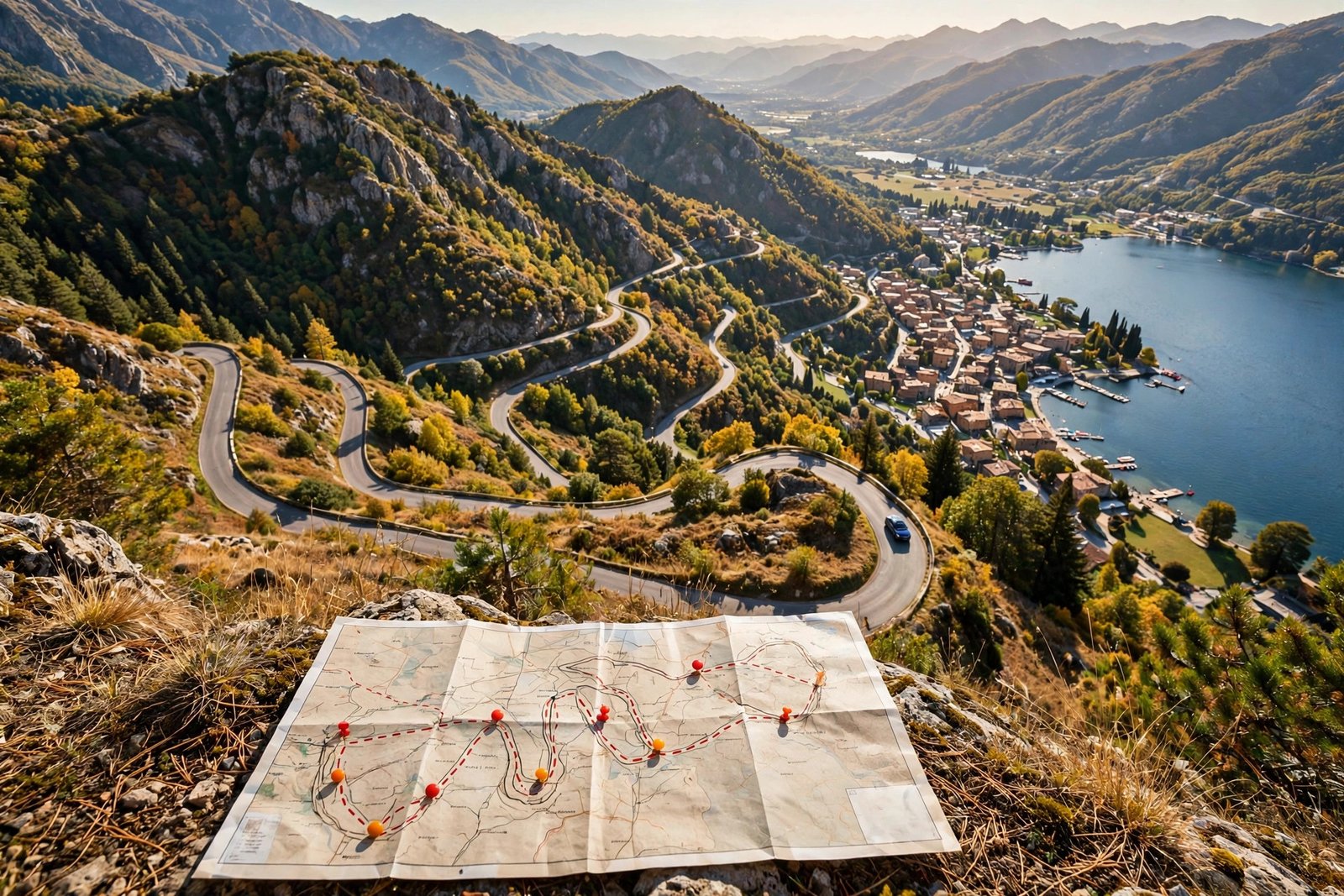
For most visitors, yes. The lake is large and public transit is limited, especially for trailheads and beaches. In winter, carry tire chains — chain controls are common on mountain roads after snowfall.
- Is Lake Tahoe good for families?
Yes. Kings Beach and Zephyr Cove have gentle swimming areas, several resorts run ski schools for kids, and short trails like Eagle Lake work well as family hikes.
Lake Tahoe rewards travelers who plan around the season they are visiting: pick the shore that matches your style, book ski tickets and lodging early in winter, and leave room for at least one slow lakeside day. It is the rare destination that genuinely lives up to its photos.