
Palma de Mallorca, the capital of the Balearic Islands in Spain, is home to numerous attractions that showcase the island’s rich history, stunning landscapes, and vibrant culture. The top places to visit in Palma de Mallorca offer a blend of natural beauty, architectural marvels, and cultural experiences. From historic landmarks to picturesque beaches, Palma provides something for every traveler — and it pairs well with the other Spanish destinations in our guide to the best places to visit in Spain.
The city is well-known for its historical buildings, such as the stunning La Seu Cathedral. Visitors also flock to the lively Plaza Mayor and the scenic promenades by the sea. For those seeking more modern experiences, the bustling shopping streets and eateries offer a taste of contemporary Mallorca.
La Seu Cathedral: An Architectural Wonder
The La Seu Cathedral, located in the heart of Palma, is one of the most iconic landmarks in the city. Built between the 13th and 17th centuries, this Gothic cathedral features stunning architecture and offers breathtaking views over the Mediterranean. Visitors can explore its intricate interior, which includes works by renowned architect Antoni Gaudí.
Bellver Castle: A Historical Fortress
Another must-visit site in Palma de Mallorca is the Bellver Castle, a 14th-century fortress that stands atop a hill overlooking the city. The castle’s unique circular design and panoramic views of Palma make it a popular tourist spot. Visitors can take a guided tour through the castle’s museum and learn about its fascinating history.
Almudaina Palace: A Glimpse into Royal Life
The Almudaina Palace, a former royal residence, is another prominent historical building in Palma. Originally an Arab fortress, it was later transformed into a royal palace and is now open to the public. The palace showcases beautiful gardens, courtyards, and impressive rooms that tell the story of Palma’s royal history.
FAQ: Common Questions about Palma de Mallorca
- How many days do you need in Palma de Mallorca?
Two to three days is enough to cover Palma’s main sights — La Seu Cathedral, the old town, Bellver Castle and the seafront promenade. If you also want beach time or day trips to villages like Sóller and Valldemossa, plan four to five days.
- What is Palma de Mallorca best known for?
Palma is best known for La Seu Cathedral overlooking the harbor, its maze-like old town, the circular Bellver Castle, and a lively food and beach scene — most of it within easy walking distance of the city center.
- When is the best time to visit Palma de Mallorca?
May to June and September offer warm weather with fewer crowds than the peak summer months. July and August are the hottest and busiest. Winters are mild, making Palma a pleasant off-season city break, though the sea is too cool for most swimmers.
- Is Palma de Mallorca easy to explore without a car?
Yes. The historic center, harbor and main sights are compact and walkable. Local buses connect the city to beaches and nearby villages, so a car is only needed if you want to explore the island’s interior or the Tramuntana mountains in depth.
In addition to these key attractions, Palma de Mallorca boasts a wealth of museums, art galleries, and cultural sites. The Museu de Mallorca and Es Baluard Contemporary Art Museum offer insight into the island’s art scene, while the scenic beaches provide opportunities for relaxation and water sports.
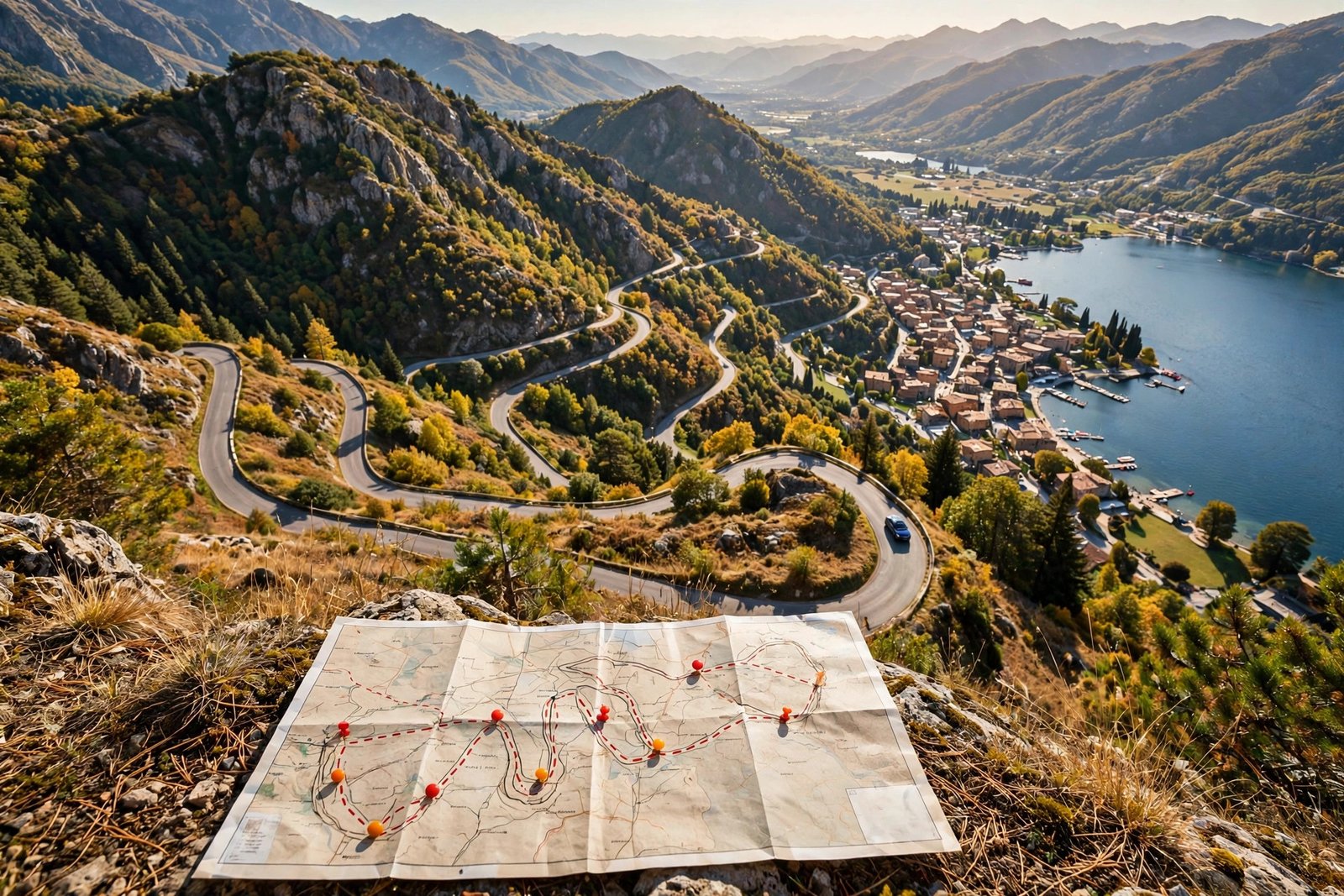
For those looking to explore beyond the city, nearby regions such as Sóller and Valldemossa offer stunning landscapes and charming villages. These areas provide an opportunity to experience traditional Mallorca in a more tranquil setting, with breathtaking mountain views and historic sites. Many visitors also combine Mallorca with mainland stops — our guide to the top ten places to visit in Barcelona and the top places to visit in Valencia can help plan that part of the trip.
Exploring Palma’s Unique Neighborhoods
The city of Palma is divided into various neighborhoods, each offering a unique experience. The Old Town, with its narrow streets and historic buildings, is perfect for those looking to immerse themselves in Palma’s history. In contrast, the Santa Catalina district offers a more modern vibe, known for its vibrant food scene and lively nightlife.