
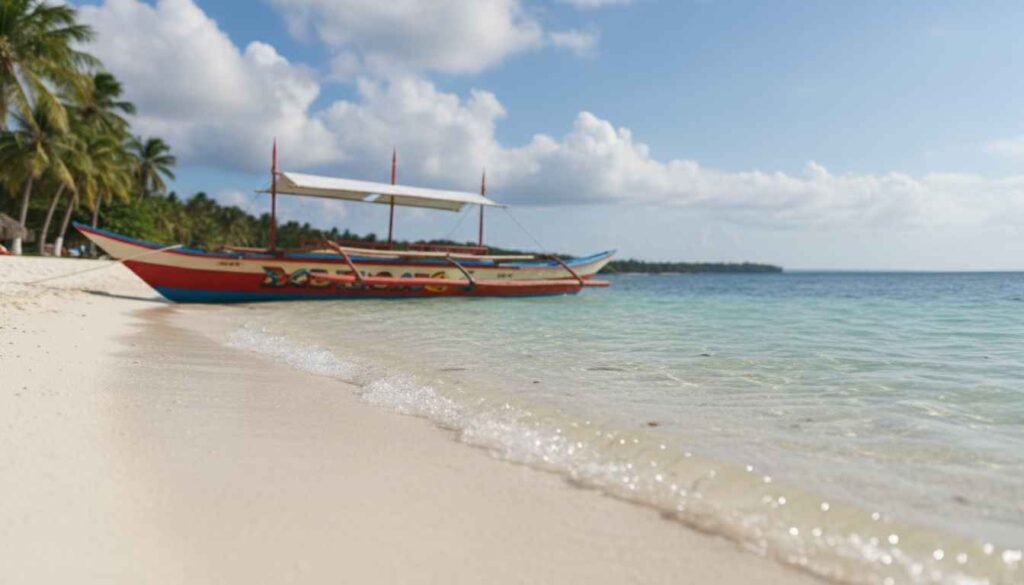
Cebu, located in the central Philippines, is known for its beautiful beaches, rich history, and diverse cultural attractions. It offers a wide array of destinations, from historical landmarks to scenic islands. When planning a trip to Cebu, you’ll find plenty of options for relaxation, exploration, and adventure — and plenty more island destinations across other standout destinations across Southeast Asia if you want to extend the trip.
Historical and Cultural Sites in Cebu
Cebu is home to several important historical sites. The Magellan’s Cross, which marks the arrival of Christianity in the Philippines, is one of the most visited spots. The Basilica Minore del Santo Niño, dedicated to the child Jesus, is another popular landmark. Visitors can also explore the Fort San Pedro, which was built during the Spanish colonial period. These sites offer insight into Cebu’s colonial history and its role in the nation’s development.
Natural Wonders in Cebu
Cebu is also known for its natural beauty, with numerous parks and scenic spots. Oslob, famous for whale shark diving, allows tourists to swim with these gentle giants in their natural habitat — it’s smart to have travel insurance in place before you book water activities like these. Meanwhile, Kawasan Falls in Badian offers a stunning natural retreat, with crystal-clear waters and lush greenery. The island of Malapascua is a haven for divers, offering a chance to see thresher sharks and vibrant coral reefs. These locations make Cebu a top destination for nature lovers and adventure seekers.
Beaches and Islands in Cebu
The province boasts some of the most beautiful beaches in the country. Mactan Island, known for its luxury resorts and water sports, is a prime destination for beach lovers. Meanwhile, Bantayan Island offers a more laid-back vibe, with pristine white sand beaches and clear waters perfect for swimming and snorkeling. For those seeking a more remote experience, Camotes Islands provide a tranquil escape, with untouched beaches and crystal-clear lagoons.
FAQ: Common Questions About Visiting Cebu
- When is the best time to visit Cebu?
December to May is the dry season and the best time to visit, with January to April offering the sunniest, clearest weather for island-hopping and diving. The Sinulog Festival, Cebu’s biggest celebration, takes place on the third Sunday of January. The rainy season (June to November) brings heavier rain and rougher seas.
- How many days do you need in Cebu?
Three to five days covers the highlights: Cebu City’s historical sites, Oslob’s whale sharks, and Kawasan Falls. Allow five to seven days if you also want to visit Bantayan, Malapascua, or the Camotes Islands, since island transfers take up full travel days.
- Can you see whale sharks in Oslob all year?
Yes — whale shark watching in Oslob runs year-round. Go early in the morning for the calmest water and follow local rules about keeping your distance and not touching the animals.
- How do you get around Cebu?
Ferries connect Cebu to nearby islands like Bohol and Bantayan. In the city, jeepneys and taxis are everywhere, and Grab is the most reliable ride-hailing option. Many visitors base themselves in Cebu City and take organized day trips to Oslob and Kawasan Falls. If you’re traveling alone, our solo female travel safety guide covers practical tips for the Philippines and beyond.