Lebanon packs an unusual amount into a small country: Roman temples, Crusader-era old towns, cedar forests, Mediterranean beaches and mountain villages, all within a few hours’ drive of each other. For families, that compactness is the main advantage — you can mix history, nature and beach time without long journeys — provided you plan carefully and check current travel advice before booking.
This guide focuses on family-friendly stops, what children tend to enjoy at each one, and the practical points parents need to know.
Byblos and Baalbek: History Children Can Walk Through
Byblos, on the coast north of Beirut, is one of the oldest continuously inhabited cities in the world, and its old town is easy for families: a small harbour, a Crusader castle with views over the sea, an old souk for browsing, and cafés where you can stop without a formal plan. Children usually enjoy the castle walls and the harbour boats more than any museum label, so keep the visit short and let them explore.
Baalbek, inland in the Bekaa Valley, is on a different scale. Its Roman temples are among the largest and best preserved in the world, with columns so tall they give children a real sense of scale. The site is open and exposed, so bring hats, water and sunscreen, and visit in the morning in summer. Because Baalbek is farther from Beirut and closer to sensitive border areas, check current official travel advice and local conditions before including it in your itinerary.
Beirut: Museums, the Corniche and Everyday City Life
Beirut’s National Museum is a good family starting point: it is compact, well organised, and gives children context for the ancient sites they will see elsewhere. After the museum, the Corniche — the seafront promenade — is ideal for an evening walk, with ice-cream stalls, street vendors and views across the bay.
Beirut also has playgrounds, family restaurants and shopping districts that make it a practical base. Traffic is heavy, so plan for slow journeys across the city, and choose accommodation near the areas you plan to visit rather than assuming you can cross town quickly.
Jeita Grotto: A Natural Wonder Underground
Jeita Grotto, north of Beirut, is a vast limestone cave system with an underground river. Visitors tour an upper gallery on foot and a lower gallery by boat, which makes it one of the few Lebanese attractions that feels like an adventure in itself. It is cool underground, so bring a light layer even in summer, and note that photography rules inside the caves are strict.
Check opening hours and whether both galleries are operating before you go, as maintenance closures happen. The site is popular on weekends, so an early weekday visit is calmer for families.
Chouf Cedar Reserve and Mountain Nature
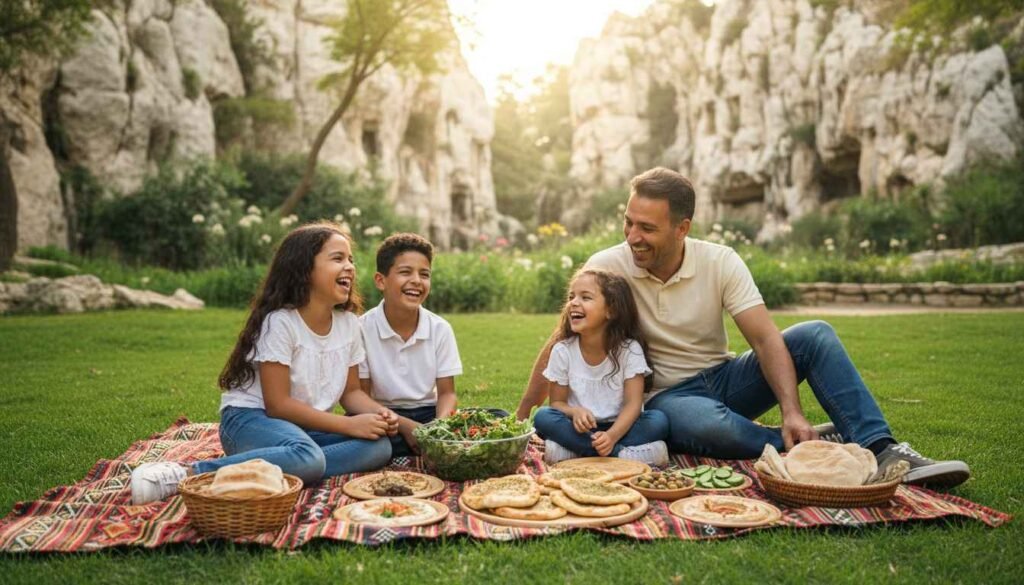
The Chouf Cedar Reserve protects ancient cedar forests in the mountains south-east of Beirut. For families, the main trails are gentle enough for older children, with shaded paths, viewpoints and picnic areas. The cedars themselves — some very old, all slow-growing — are a good way to talk to children about conservation, since Lebanon’s cedar is a national symbol.
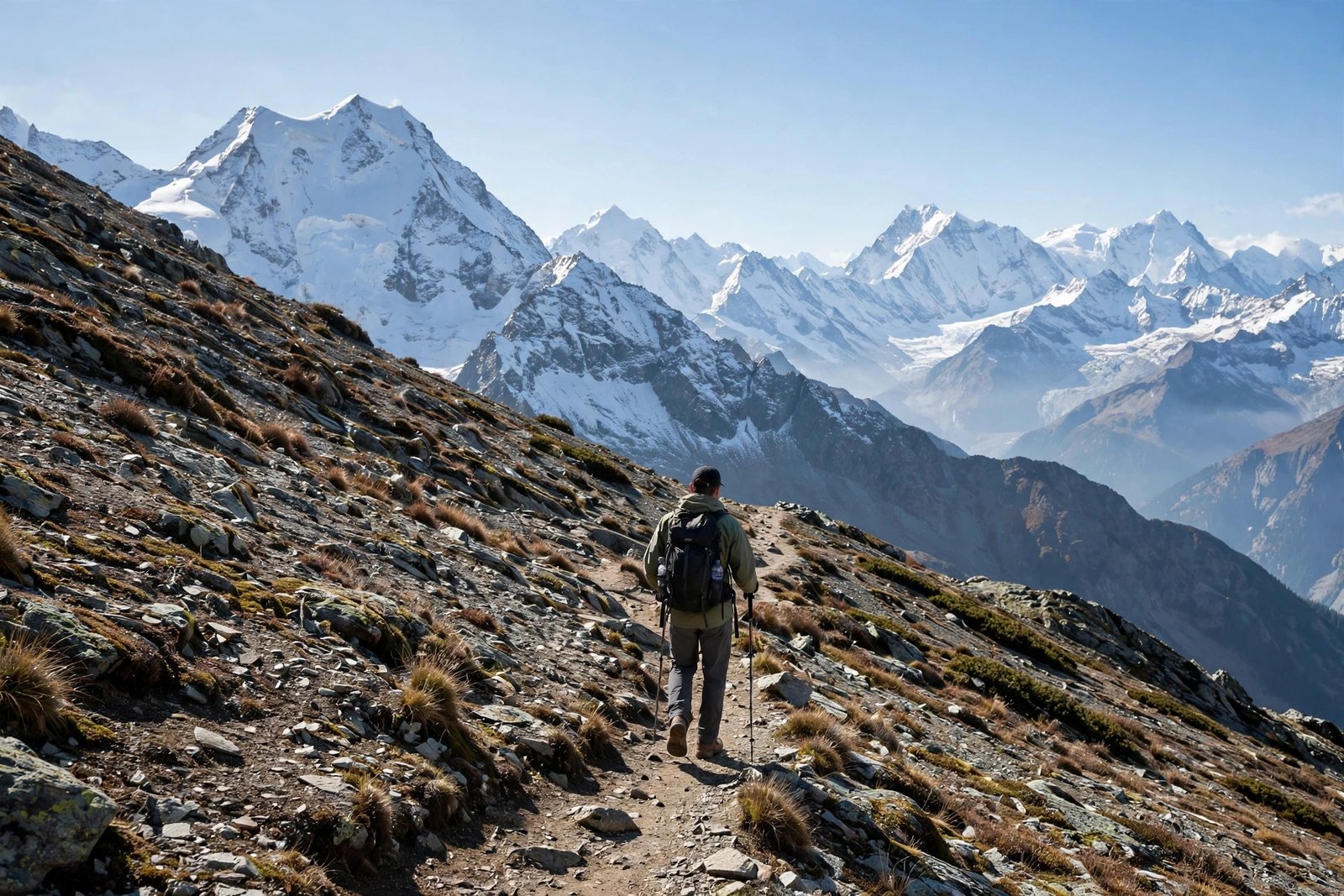
In winter, the mountains around Zaarour and the higher resorts offer skiing and snow activities, while spring and autumn are best for hiking, with wildflowers in spring and cooler air in autumn. Pack layers: mountain weather changes fast, and a sunny morning in Beirut can mean a cold afternoon at altitude.
Beaches and Coastal Towns
Lebanon’s Mediterranean coast offers public beaches and beach clubs, with calmer water in summer. Family-friendly options tend to be the managed beach clubs with lifeguards, shade and facilities, rather than unsupervised stretches. In the north, Tripoli has its own old town, citadel and famous sweets shops, and makes a good day trip for families who want a different city atmosphere from Beirut.
Smaller villages such as Faqra, with Roman ruins in a mountain setting, work well as short detours rather than full-day destinations. Keep the day’s driving short, especially with younger children, and build in a proper lunch stop rather than trying to fit three towns into one day.
Planning a Family Trip to Lebanon
Spring and autumn offer the most comfortable weather for a mix of coast and mountains. Summer is best for beaches but hot inland; winter suits skiing but can close mountain roads. A hire car gives the most flexibility, but driving standards and road conditions vary — if you are not confident, hire a driver for day trips from Beirut.
Most importantly, check your government’s current travel advice for Lebanon before booking and again before departure, and keep plans flexible. Conditions can change, and some areas may be advised against. Travel insurance that covers your planned activities is essential. For other family-friendly beach and city breaks, see our guide to places to visit in Orlando for free with family, and read our travel insurance explained guide before you book.
FAQ:
Is Lebanon suitable for a family holiday?
It can be, for families who plan carefully: short drives, family-friendly sites, and a flexible itinerary. Always check current official travel advice first, as conditions and advice change.
What is the best age for children visiting Lebanon?
School-age children tend to get the most from the historic sites and nature reserves. Toddlers can enjoy beaches and parks, but long mountain drives and cave tours suit older children better.
How many days do families need?
Five to seven days allows Beirut, Byblos, Jeita and one mountain or beach area without rushing. Add days if you include Baalbek or Tripoli.
What should families pack?
Sun protection and water for archaeological sites, a light layer for caves and mountains, comfortable walking shoes, and swimwear for the coast. A basic first-aid kit is useful for hiking days.
Final Thoughts
Lebanon rewards families who mix its history, nature and coast in short, well-planned days — and who treat up-to-date travel advice as part of the planning, not an afterthought. Done that way, it is a compact, varied and memorable family destination.