Orlando is famous for its theme parks, and rightly so — but a trip that only does the parks misses half the city. Beyond Walt Disney World and Universal, Orlando has natural springs, historic neighbourhoods, gardens, and a food scene that rewards visitors who slow down for a day or two. This guide covers the parks first, because they are the reason most people come, then the places that make Orlando worth a longer stay.
Walt Disney World: plan it, don’t just turn up
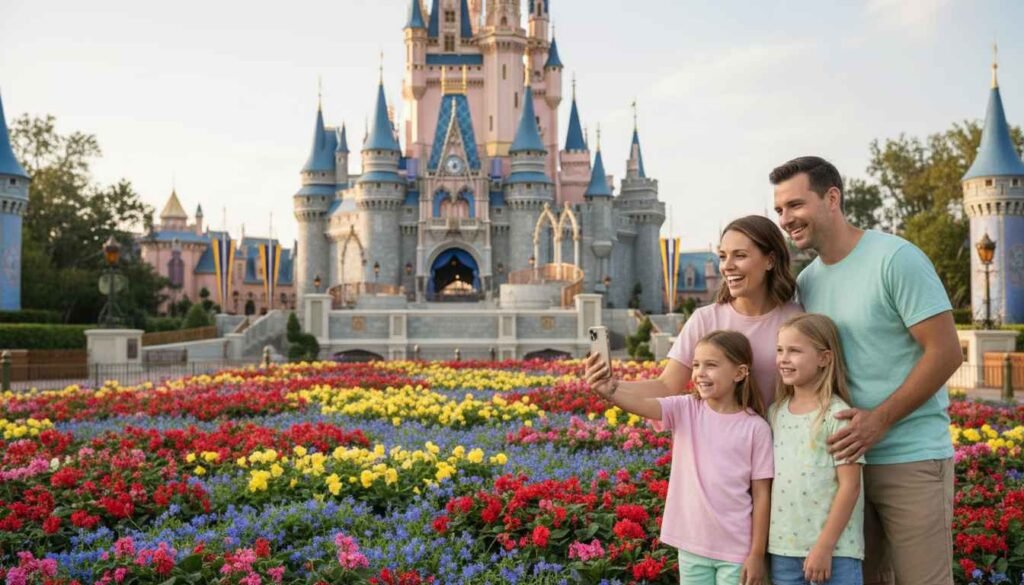
Walt Disney World is not one park but four theme parks — Magic Kingdom, EPCOT, Disney’s Hollywood Studios, and Disney’s Animal Kingdom — plus water parks and a large resort area, so it needs planning. The single most useful decision is how many days to give it: one day is enough for a taste of Magic Kingdom, two to three days let you cover two parks properly, and four days are needed to see all four without rushing. Book popular rides and restaurants in advance where the system allows, arrive early for the busiest attractions, and build in a midday break, especially with children — Orlando’s heat and the sheer size of the parks wear people out faster than they expect. If you are on a budget, staying outside the resort and bringing your own water and snacks can cut costs significantly.
Universal Orlando and SeaWorld: the other big parks
Universal Orlando Resort, with Universal Studios Florida and Islands of Adventure, is the main alternative to Disney, and it appeals particularly to older children and adults: its thrill rides are more intense, and its Wizarding World areas are detailed enough to enjoy even without riding everything. SeaWorld Orlando combines marine animal exhibits with roller coasters, and it suits families who want a mix of animals and rides in a single day. A practical tip: do not try to combine Universal and Disney in a single day. Each resort deserves its own day, and trying to do both usually means long transfers and a rushed, tiring experience.
Natural Florida: Wekiwa Springs and Leu Gardens
Orlando’s natural side is one of its best-kept secrets. Wekiwa Springs State Park, a short drive north of the city, has a clear natural spring where you can swim, canoe, and kayak, plus hiking trails through Florida woodland — it is a completely different Florida from the theme parks, and it is at its best on a weekday morning before the crowds arrive. In the city itself, Harry P. Leu Gardens offers fifty acres of landscaped gardens, lakeside paths, and a historic house museum, and it is a calm, shaded break from the parks. Both are good choices for a rest day between park visits, especially for visitors who want to see Florida’s natural landscape rather than only its built attractions.
History and culture: downtown Orlando and Winter Park
Downtown Orlando’s Orange County Regional History Center traces the region from its early settlement through the citrus industry to the arrival of tourism, and it gives useful context for everything else you see in the city. Nearby, the city centre’s Lake Eola Park, with its swan boats and downtown skyline, is a pleasant evening walk. A short drive north, Winter Park is Orlando’s most charming suburb: a walkable main street, a scenic boat tour through its chain of lakes and canals, and museums including the Charles Hosmer Morse Museum, known for its Tiffany glass collection. Winter Park is the place to go if you want Orlando to feel like a real town rather than a resort corridor.
Beyond the city: day trips worth taking
Orlando’s central location makes it a good base for day trips. The Kennedy Space Center, on the Atlantic coast about an hour east, is a full-day visit that combines space history with rocket exhibits and, on launch days, a genuine sense of occasion — check the launch schedule before you go. Closer to home, the small towns of Mount Dora and DeLand offer historic main streets, antique shops, and a slower pace, and they make good half-day escapes from the parks. If you have a car, at least one day trip is worth building into an Orlando stay of five days or more.
Planning tips for Orlando
Spring and autumn generally offer the most comfortable weather, with milder temperatures and smaller crowds than summer, though Florida’s theme parks are busy during school holidays at any time of year. Summer brings heat, humidity, and afternoon thunderstorms, so plan indoor attractions or a hotel break for the afternoon, and carry water. A car makes Orlando much easier: the parks, natural springs, and day-trip towns are spread out, and public transport, while improving, does not cover everything conveniently. Finally, pace yourself — Orlando rewards visitors who mix park days with rest days, rather than those who try to ride everything in two exhausting days.
FAQ:
How many days do you need in Orlando? Three days cover the main parks at a reasonable pace; five to seven days allow the parks plus natural springs, Winter Park, and a day trip, which is a much more balanced trip.
What is the best time to visit Orlando? Spring and autumn offer milder weather and, outside school holidays, smaller crowds. Summer is hot and stormy, and winter is mild but can be busy around Christmas and New Year.
Is Orlando suitable for adults without children? Yes. Universal, EPCOT’s food and drink, Winter Park, the gardens, and the natural springs all work well for adults, and many visitors come specifically for the food, culture, and outdoor activities.
Do you need a car in Orlando? It helps a lot. Theme parks have their own transport, but reaching springs, historic towns, and day-trip destinations is much easier with a car.
For more Florida ideas, see our guide to places to visit in Orlando for free with family and our guide to the best places to visit in South USA.