
North Queensland is not one destination but a whole tropical region of Australia, stretching from the reef islands of the Coral Sea to ancient rainforest and outback tablelands. Most visitors base themselves in Cairns and then branch out: to the Great Barrier Reef, into the Daintree Rainforest, and south to the Whitsunday Islands. This guide covers the places that are genuinely worth your time, and how to fit them together without rushing.
Cairns: the practical base for the region
Cairns is the natural starting point for North Queensland. It has the region’s main airport, the widest choice of reef tours, and easy road access to the rainforest to the north and the Atherton Tablelands to the west. The city itself is relaxed rather than grand: a waterfront esplanade with a free lagoon pool, night markets, and plenty of casual restaurants serving tropical produce. Give yourself at least a day here to recover from the flight and sort out tours, because the best reef and rainforest trips leave early. If you are travelling with children, the esplanade lagoon and the botanic gardens are easy, low-cost ways to fill an afternoon.
The Great Barrier Reef: choose your trip, not just your boat
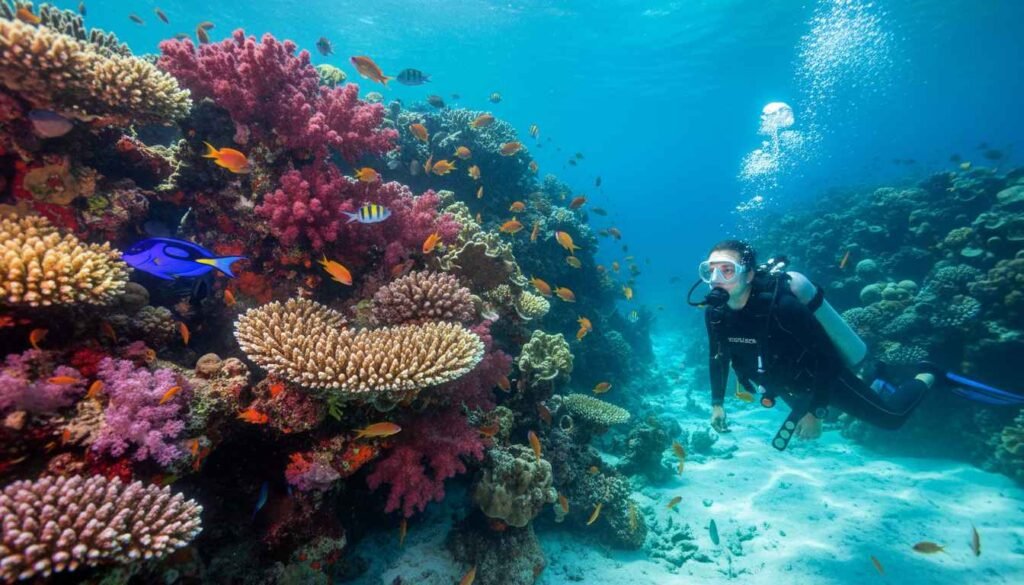
The Great Barrier Reef off Cairns and Port Douglas is the region’s headline attraction, and the experience varies a lot depending on which trip you book. Outer-reef pontoons suit first-time snorkellers and families, because they offer stable platforms, guided snorkelling, and semi-submersible viewing. Smaller sailing or dive boats reach quieter sites and suit confident swimmers. Whichever you choose, check what is actually included — snorkelling gear, a guided tour, and lunch are standard on most day trips — and be honest about seasickness, as the open-water crossing can be rough. The reef is a living ecosystem under pressure from coral bleaching and cyclones, so follow your guides’ instructions: do not stand on coral, use reef-safe sunscreen, and keep a respectful distance from turtles and rays.
The Daintree Rainforest: one of the world’s oldest
North of Cairns, the Daintree is one of the oldest tropical rainforests on Earth, and it feels it: dense green canopy, cassowaries crossing the road, and rivers that run tea-coloured from the forest floor. A day trip from Cairns or Port Douglas can cover Mossman Gorge, with its clear swimming holes and boardwalk trails, and a river cruise to spot crocodiles. Staying a night in the Daintree itself is worth it if you want dawn walks and a quieter experience, but be prepared for limited phone signal and no large resorts. Drive carefully at dawn and dusk, when cassowaries and other wildlife are most active on the roads.
Port Douglas and the road north
Port Douglas is a smaller, quieter alternative to Cairns, and a good base if the reef and the Daintree are your priorities. Four Mile Beach is long, flat, and good for walking, though swimming is seasonal because of marine stingers in the warmer months — always check local signs and swim where nets or advice indicate it is safe. The town has good restaurants and a Sunday market, and the drive from Cairns along the Captain Cook Highway is one of the most scenic coastal roads in Australia, with the rainforest on one side and the Coral Sea on the other. For a different kind of tropical escape, Krabi in Thailand offers a similar mix of limestone cliffs, island boats, and warm-water snorkelling.
The Whitsundays: Whitehaven Beach and island sailing
Further south, the Whitsunday Islands are the classic sailing destination of the Queensland coast. Whitehaven Beach, on Whitsunday Island, is famous for its white silica sand and swirling tidal patterns at Hill Inlet, best seen from the lookout at low tide. Most visitors see the Whitsundays on a day trip or a multi-day sailing charter from Airlie Beach; a bareboat charter needs sailing experience, while crewed trips suit everyone else. Book well ahead in school holidays, and remember that the Whitsundays are about slowing down — one island anchorage, a swim, and a sunset will stay with you longer than a packed itinerary. Travellers planning other tropical trips may also enjoy our guide to places to visit in Vietnam, another warm-water destination with island and coastal highlights.
The Atherton Tablelands: a cooler inland detour
If the coastal humidity wears you down, head inland to the Atherton Tablelands. The cooler highlands around Yungaburra and Malanda offer crater lakes, waterfalls such as Millaa Millaa Falls, dairy country, and rainforest walks without the coastal crowds. It is an easy day trip from Cairns, and a good place to see platypus at dawn or dusk on a guided tour. The Tablelands also make a sensible stop on a longer drive south towards the Whitsundays.
When to go and how to plan
The most comfortable months for North Queensland are roughly May to October, when humidity is lower, rainfall is lighter, and stinger season on the beaches has eased. November to April is hotter, wetter, and more humid, with a real chance of cyclones and road closures — reef trips still run, but check conditions and keep plans flexible. Whenever you travel, book reef tours and Daintree accommodation early, carry water and sun protection on every walk, and leave room in your schedule for weather changes. A sensible first trip is five to seven days: two days for Cairns and the reef, one or two for the Daintree and Port Douglas, and the rest for the Whitsundays or the Tablelands.
FAQ:
How many days do you need in North Queensland?
Five to seven days covers Cairns, a reef day trip, the Daintree, and either the Whitsundays or the Tablelands. Less than that forces you to choose between the reef and the rainforest.
Is North Queensland suitable for families?
Yes, with planning. Outer-reef pontoons, the Cairns lagoon, Mossman Gorge boardwalks, and Whitehaven Beach day trips all work well for children, but check stinger-season advice and boat-trip durations before booking.
Do you need a car in North Queensland?
A car helps a lot outside Cairns, especially for Port Douglas, the Daintree, and the Tablelands. Reef and Whitsunday trips are boat-based and depart from tour terminals, so you only need transport to the departure point.
What should you pack for the Daintree?
Light, quick-drying clothes, sturdy walking shoes, insect repellent, sunscreen, a rain jacket, and water. Phone signal is limited in parts of the forest, so download maps before you go.
Final Thoughts
North Queensland rewards travellers who pick two or three bases and explore them properly rather than trying to cover the whole region. Start in Cairns, give the reef and the rainforest a full day each, and finish with the Whitsundays or the cooler Tablelands. That balance of sea, forest, and slow days is what makes the region special.