
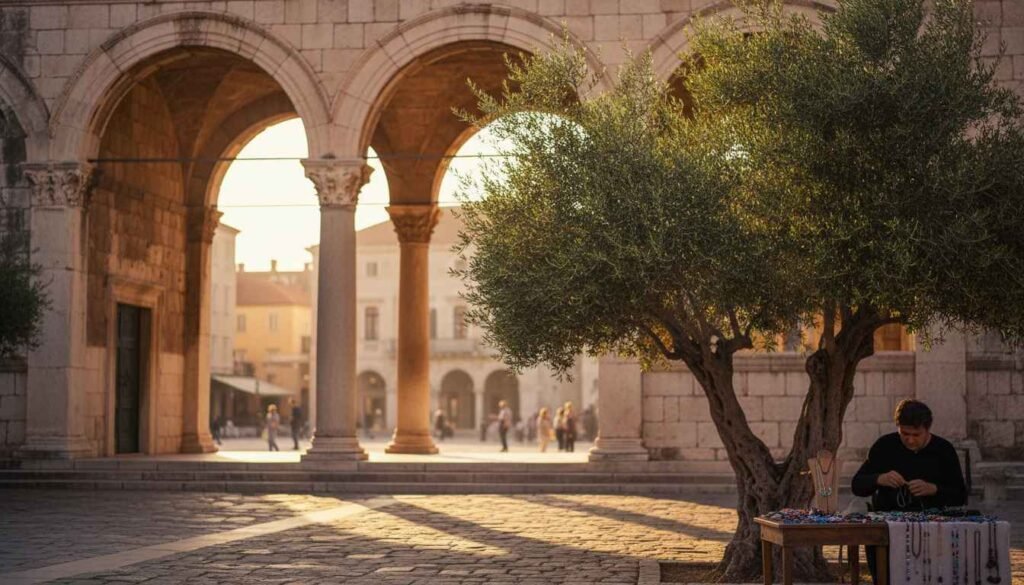
Split, Croatia is a popular destination offering stunning coastal views, rich history, and diverse cultural landmarks. For travelers exploring the top places to visit in Split Croatia, the city provides a mix of ancient Roman architecture, modern attractions, and natural beauty. This historic city, located along the Adriatic coast, offers something for every type of traveler.
In addition to its many landmarks, Split is also known for its vibrant lifestyle and welcoming atmosphere. Visitors looking to explore the city’s deep-rooted heritage can visit the Diocletian’s Palace, a UNESCO World Heritage site that dominates the city’s heart. The palace is a testament to Roman architecture and still houses shops, restaurants, and residences today. It is the perfect starting point for exploring the area.
Historic Sites in Split
The Diocletian’s Palace is one of the most significant landmarks in Split. Built in the 4th century by the Roman Emperor Diocletian, the palace complex remains remarkably well-preserved. Visitors can wander through its ancient walls, exploring temples, courtyards, and underground cellars. The palace is not only a historical monument but a vibrant part of the city where locals and tourists mingle in the numerous cafes and shops.
Another notable historical site in Split is the Cathedral of Saint Domnius. Originally part of Diocletian’s mausoleum, this cathedral is one of the oldest in the world. It offers a stunning view of the city from its bell tower, making it a must-see for visitors interested in both history and panoramic views of Split.
Beaches and Natural Attractions
For nature lovers, Split offers some of the most beautiful beaches along the Adriatic Sea. Bacvice Beach, just a short walk from the city center, is famous for its sandy shores and crystal-clear waters. It is ideal for swimming, sunbathing, and enjoying the lively atmosphere. Alternatively, for a more serene experience, visitors can explore Marjan Hill, a green oasis offering hiking trails, peaceful parks, and spectacular views over Split and the surrounding islands.
The nearby islands of Brac and Hvar are also popular day trip destinations. These islands boast beautiful beaches, olive groves, and charming villages that provide an authentic taste of Croatian island life. Visitors can take a ferry from Split’s harbor to these islands, enjoying scenic views during the short journey.
Modern Attractions and Dining in Split
While Split is famous for its ancient landmarks, the city also offers modern attractions. Riva, the city’s seafront promenade, is lined with palm trees, cafes, and restaurants. It is a great spot for a leisurely stroll, where visitors can enjoy the Mediterranean atmosphere. In addition to the cafes, Split is known for its vibrant dining scene, offering both traditional Croatian dishes and international cuisine. The local seafood is a highlight, with fresh fish and seafood platters available at many waterfront restaurants.
For shopping enthusiasts, the city offers a variety of local markets, boutique shops, and malls. The Split Green Market, located near the palace, is a great place to experience local culture and buy fresh produce, handmade goods, and souvenirs.
FAQ
- How many days do you need in Split?
Two to three days covers Diocletian’s Palace, the cathedral bell tower, Bacvice Beach, and Marjan Hill. Add a day trip to Hvar or the Krka waterfalls with a fourth day. Our multi-city itinerary guide helps connect Split with Dubrovnik and other Croatian stops.
- When is the best time to visit Split?
May to June and September to early October offer warm sea temperatures and smaller crowds than July and August. For practical tips on staying connected and navigating a new country, check our eSIM guide for travelers.
- Is Split a good base for day trips?
Yes, it is one of Croatia’s best day-trip bases. Ferries run to Hvar, Brac, and Vis, and buses reach Krka National Park and Trogir. Book island ferries in advance during summer. Our slow travel guide explains how to balance a packed base like Split with real downtime.
- Is Split expensive for tourists?
Split is cheaper than Dubrovnik but pricier than inland Croatia. July and August bring the highest prices; visiting in the shoulder season cuts accommodation costs significantly. Konobas (traditional taverns) in the old town offer far better value than the Riva waterfront restaurants.
Split is not just about historical and natural sites, but also a hub for adventure seekers. Those interested in hiking, cycling, and other outdoor activities can enjoy the diverse landscape of the region. The city’s proximity to national parks like Krka and Plitvice Lakes makes it a convenient base for exploring Croatia’s natural wonders.
Whether you’re interested in history, nature, or modern attractions, Split offers an array of activities to make your visit memorable. This vibrant city is an excellent destination for those looking to explore the best of Croatia’s culture, history, and natural beauty.