What Slow Travel Means and Why It Works in 2026
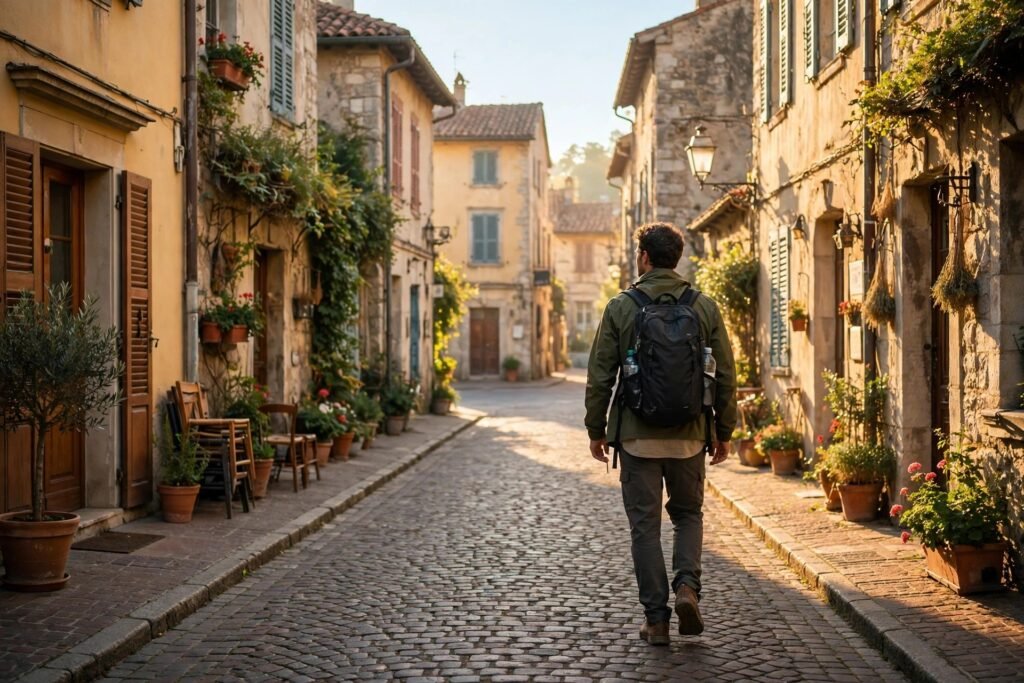
Slow travel is not about moving less. It is about spending more time in fewer places so you actually experience them. Instead of racing through five cities in a week, you settle into one or two places for a week or more — walking the same streets at different hours, learning which cafe the locals prefer, and discovering the side street that never made it into any guidebook.
In 2026, slow travel is having its biggest moment yet. Flight prices are unpredictable, remote work has normalized, and more travelers are reporting trip burnout — coming home exhausted from “dream vacations” that felt like marathons. The slow travel approach fixes this by trading volume for depth: fewer landmarks on paper, but far richer memories.
How to Pick a Slow-Travel Base
Your base is the decision that makes or breaks a slow trip. A good slow-travel base is walkable, has real neighborhood life, and connects well enough to serve as a launchpad for day trips. Think cities like Chiang Mai, Porto, or Oaxaca — places where daily life is pleasant to join, not hidden behind tourist infrastructure.
When evaluating a base, ask three questions. First: can you walk to a market, a park, and a good coffee spot in under fifteen minutes? Second: does the town have enough layers — history, food culture, nature access — to keep you curious for at least a week? Third: is the cost of living low enough that staying longer genuinely saves money?
If you plan to visit several regions on one trip, treat each base as its own slow chapter rather than one long rush. A well-built multi-city trip itinerary works beautifully with slow travel: give each stop a real chunk of time instead of a night or two, and the whole journey feels richer without moving slower overall.
The 3-2-1 Pace Rule
Here is the simplest planning framework in this slow travel guide: the 3-2-1 pace rule. Three nights minimum per stop. Two anchor experiences per week. One completely free day per week.
Three nights minimum is the floor because anything shorter turns you into a logistics manager. One night means you are unpacking, orienting, and repacking with almost no time in between. Three nights gives you one arrival day, one full exploration day, and one day where the place starts feeling familiar.
Two anchor experiences per week means you deliberately plan only two big-ticket items — a cooking class, a guided hike, a day trip to a famous site. Everything else is open. This keeps your schedule relaxed while guaranteeing the trip still feels full of highlights.
One free day per week is the secret ingredient. No plans, no alarms, no must-sees. These unstructured days are when slow travel magic happens: the unplanned market visit, the conversation with a shop owner, the neighborhood you wandered into by accident that becomes your favorite memory of the trip.
Renting an Apartment vs Hotels for Longer Stays
Once you are staying four or more nights somewhere, the math shifts decisively toward apartments. A monthly or weekly rental typically costs less per night than a mid-range hotel, and you gain a kitchen, a washing machine, and space to spread out — three things that dramatically improve quality of life on longer trips.
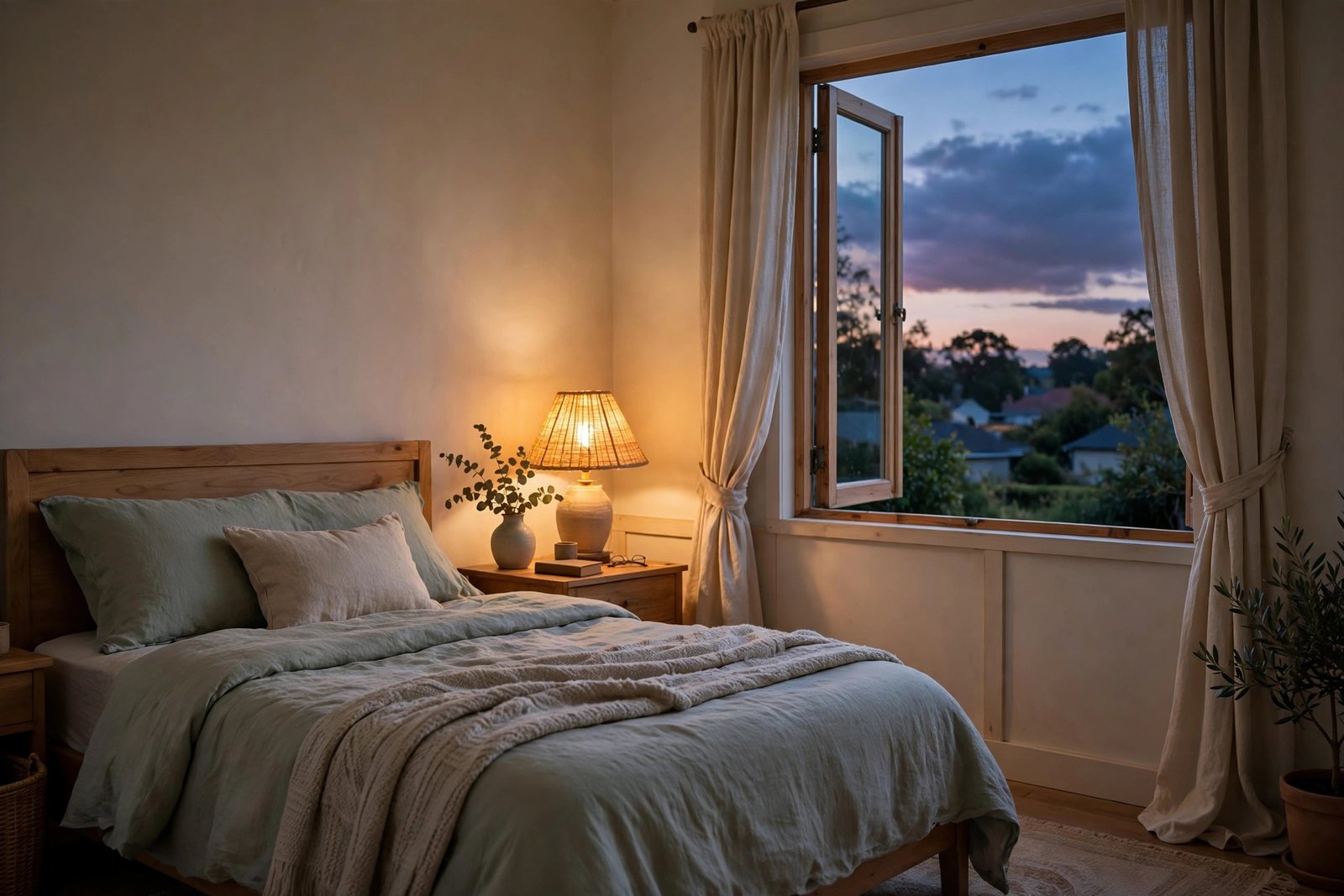
A kitchen matters more than most travelers expect. Cooking even a few breakfasts and one or two dinners per week cuts food costs significantly and forces you into local markets and grocery stores, which are some of the best cultural windows a destination offers. A washing machine means you can pack half the clothes. A real living space means a rest day actually feels restful instead of like sitting in a hotel room.
Hotels still win for short transitions and arrival nights. A practical pattern: book a hotel for your first one or two nights in a new country, then move to an apartment for the long stay. For longer rentals, prioritize listings with reviews mentioning reliable Wi-Fi and a comfortable workspace.
Working Remotely on Slow Trips
Slow travel and remote work are natural partners. A two-week stay in one city is long enough to establish a work rhythm: mornings for deep work, afternoons for exploring, evenings for the local food scene. Digital nomads have known this for years, but in 2026 even traditional employees on flexible arrangements are blending work trips with slow travel.
The practical setup is simple but non-negotiable. Confirm internet speed with your host before booking — ask for a specific number, not “fast Wi-Fi.” Bring a lightweight laptop stand and a portable mouse. Scout one or two backup locations (a coworking space, a cafe with outlets) in your first days so a power cut or noisy apartment never derails a workday.
Set boundaries between work and wandering. The most common failure of work-slow-travel blends is letting work colonize the whole trip. Protect your free days, end work at a fixed hour, and pick accommodation where the workspace is separate from the relaxation space — even a small balcony table counts.
The Slow-Travel Packing Mindset
Packing for slow travel is counterintuitive: because you are staying longer, you can pack less. Longer stays mean access to laundry, which means four or five outfits can cover three weeks. Fewer outfit rotations also mean you dress more like a local and less like someone who brought their entire wardrobe to “be prepared.”
Build your bag around versatile layers and a strict one-bag-or-one-suitcase rule. Choose clothes that mix and match, one comfortable walking shoe plus one dressier option, and toiletries you can top up locally. Leave the “just in case” items at home — on a slow trip, you have time to buy anything you genuinely need. And if your slow journey includes stretches of solo exploration, a solo female travel safety guide is worth reading before you pack, since safety choices shape what you bring.
Common Slow Travel Mistakes to Avoid
Over-planning the slow days. The point of free time is that it is free. If your calendar is still full of bookings, you have just renamed a fast trip.
Choosing a base for the photos, not the life. A stunning town with no grocery store, no evening activity, and nowhere to walk gets boring by day three. Livability beats scenery for stays longer than a weekend.
Moving “just because.” If you love your base after a week, stay longer. There is no rule that says you must visit the next town. Some of the best slow trips happen when travelers cancel the next leg and dig deeper where they already are.
Treating it like a cheaper fast trip. Slow travel saves money, but pinching every penny defeats the purpose. Spend on the cooking class, the good restaurant, the guided walk — experiences are the currency here.
Letting routines slide. Slow travel works best when you live well: regular sleep in one bed, real meals, daily walks. If long-trip health habits are new to you, our guide on how to stay healthy while traveling covers food safety, sleep, and routines that keep you going.
Skipping travel insurance for long stays. Longer trips mean more exposure to the unexpected, and local healthcare costs vary wildly. Insurance is one of the few expenses you should never slow down on.
Slow travel is not a trend to try once — it is a way of traveling that compounds. Each slow trip teaches you how to do the next one better: which bases to choose, how to pace yourself, what to pack. Start with one trip, one base, one week longer than you planned. You will see more than you expected — and remember more of it, too.