Summer is Italy at its most vivid: long evenings, warm seas, festivals in every town square, and some of the best food in Europe served outdoors. It is also the busiest and hottest time to visit, so the trick is choosing the right regions and planning around the heat and the crowds. This guide covers the places that reward a summer trip most, region by region, with practical advice on timing and getting around.
Tuscany and Central Italy
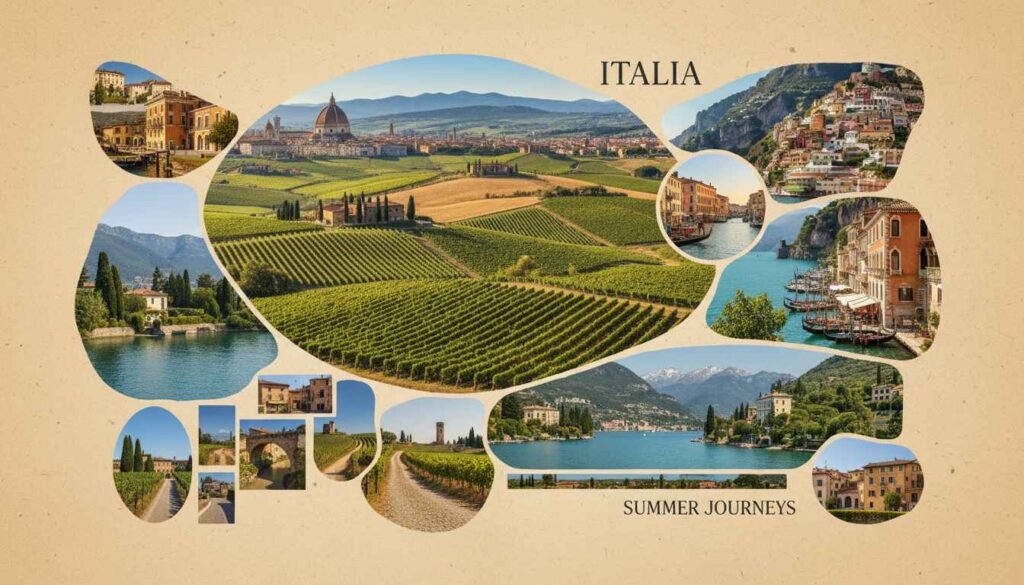
Tuscany is the classic Italian summer: rolling hills, cypress-lined roads, vineyards, and hill towns that seem built for slow evenings. Florence is the cultural anchor, with the Duomo, the Uffizi, and the Ponte Vecchio, but book tickets well ahead in summer, and visit the big sights early in the morning before the heat builds. Siena is worth a day on its own, especially around the Palio horse race, held on 2 July and 16 August in the Piazza del Campo. Smaller towns reward a slower pace: San Gimignano for its medieval towers, Lucca for its walkable Renaissance walls, and the Val d’Orcia for driving between Pienza, Montalcino, and Montepulciano. Wine estates across Chianti and Montalcino offer tastings and vineyard walks, and many agriturismi (farm stays) make a good base for families who want a pool and space to relax between sightseeing days.
The Amalfi Coast and Southern Italy
The Amalfi Coast is the image most people carry of an Italian summer: steep cliffs, pastel villages, and the sea below. Positano, Amalfi, and Ravello each have a different character, and the best way to move between them in summer is by ferry rather than by car, since the coastal road is narrow and traffic is heavy. Boat trips along the coast and to Capri are the easiest way to swim and see the cliffs from the water. Inland, Pompeii and Herculaneum are essential stops, but they are exposed sites with little shade, so go first thing in the morning and carry water. Naples, the gateway to the coast, is worth a night for its pizza, street life, and the archaeological museum. Further south, Puglia offers whitewashed towns like Ostuni and Alberobello, long sandy beaches, and lower prices than the Amalfi Coast.
Venice and the Lakes of the North
Venice in summer is beautiful and crowded, and the way to enjoy it is to stay overnight and explore early and late, when the day-trippers have gone. The canals, St Mark’s Basilica, and the Doge’s Palace are the headline sights, but the quieter districts of Cannaregio and Dorsoduro show a more local side of the city. North of Venice, Lake Como and Lake Garda offer a cooler alternative: ferry services link the lakeside towns, and the villas and gardens around Bellagio and Sirmione are at their best in summer. For active travellers, the Dolomites are the summer surprise of northern Italy, with well-marked hiking trails, mountain huts, and cable cars to high viewpoints. Milan works as a stylish stopover on the way north, with the Duomo, the Navigli canal district, and easy train connections.
Rome in Summer
Rome demands a plan in summer. The Colosseum, the Vatican Museums, and St Peter’s Basilica all need advance booking, and the smartest approach is to see the big sights at opening time and spend the hot afternoons in shaded neighbourhoods like Trastevere, in a museum, or by a fountain with a gelato. The evenings are when Rome comes alive: piazzas fill with diners, and a terrace dinner above the city is one of the great summer experiences. The Ristorante Casina Valadier on the Pincian Hill, above Piazza del Popolo, is a good example of the kind of elegant terrace restaurant that makes a Roman summer evening memorable, with views across the rooftops to St Peter’s dome. For a first visit, three to four days covers the ancient centre, the Vatican, and a day trip to Tivoli or Ostia Antica.
Planning a Summer Trip to Italy
July and August are the hottest months, with temperatures in the south regularly in the mid-30s Celsius, and the 15 August Ferragosto holiday can close smaller shops and restaurants. June and September are usually the sweet spot: warm enough to swim, with fewer crowds and lower prices. Book trains, ferries, and popular sights in advance, and use high-speed trains between major cities rather than driving. Pack light layers for air-conditioned trains and churches, where shoulders and knees should be covered, and carry a reusable water bottle, since many towns have public drinking fountains. For more ideas on summer travel across the continent, see our guide to the must-visit places in Europe in summer.
Frequently Asked Questions
What is the best month to visit Italy in summer? June and September are usually the best balance of warm weather and manageable crowds. July and August are hotter and busier, especially on the Amalfi Coast and in Venice.
How many days do I need for a first summer trip to Italy? Ten days allows a relaxed route such as Rome, Florence and Tuscany, and either the Amalfi Coast or Venice. A week works for two bases, such as Rome and the Amalfi Coast.
Is the Amalfi Coast expensive in summer? Yes, it is one of the most expensive parts of Italy in summer, especially for hotels in Positano. Staying in Sorrento, Salerno, or a smaller town, and using ferries, keeps costs down.
Is Italy good for a family summer holiday? Yes. Beaches in Puglia and Sardinia, farm stays in Tuscany, and cities with parks and gelato on every corner all work well for families, as long as sightseeing is kept to mornings and evenings in the hottest weeks.
Final Thoughts
Italy in summer rewards travellers who pick their regions carefully and plan around the heat: Tuscany for culture and countryside, the Amalfi Coast for the sea, the lakes and the Dolomites for cooler air, and Rome for evenings that stretch long past sunset. Book the big sights early, travel by train and ferry where you can, and leave room in the day for the slow pleasures, a long lunch, a swim, and a walk through a town square as the light fades, that make an Italian summer worth the trip.