
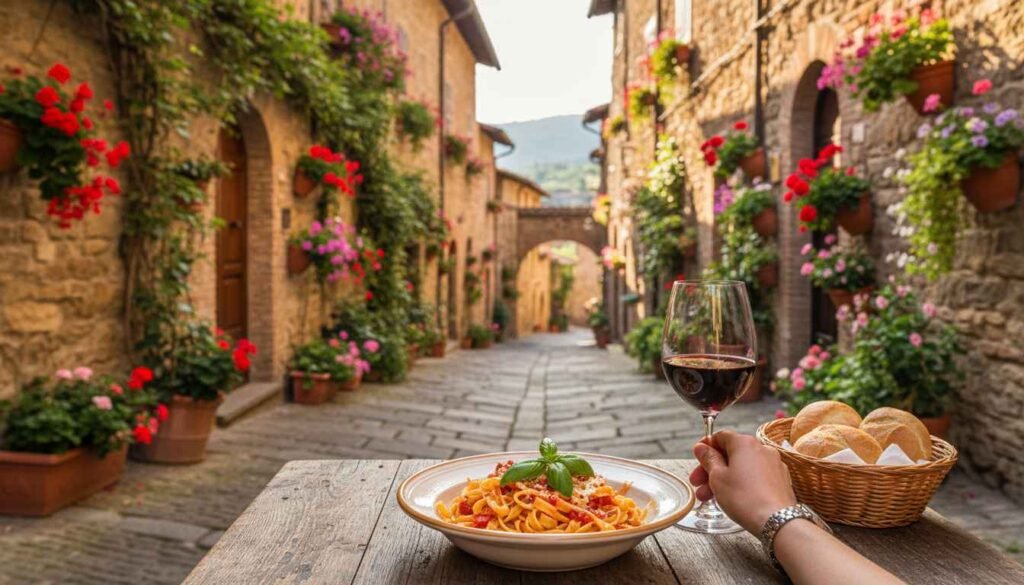
Italy is a country renowned for its rich cultural heritage, stunning landscapes, and historical landmarks. When considering what are some places to visit in italy, travelers are presented with an array of diverse destinations, each offering unique experiences. From the rolling hills of Tuscany to the vibrant streets of Rome, Italy has something to captivate every visitor.
Throughout Italy, there are numerous regions to explore, each boasting its own distinctive character. Whether you’re drawn to the historic charm of Venice or the breathtaking scenery of the Amalfi Coast, Italy offers a wealth of options for travelers. In addition to these famous landmarks, many lesser-known towns and villages provide an authentic Italian experience, offering a quieter and more intimate atmosphere.
Exploring Northern Italy
In the northern region of Italy, cities like Milan and Venice offer a blend of modern fashion, art, and history. Milan, Italy’s fashion capital, is a vibrant hub for design and shopping, while Venice enchants visitors with its canals and historic architecture. The Dolomites, a mountain range in the region, are also a popular destination for outdoor enthusiasts, offering hiking trails and skiing opportunities.
Discovering Central Italy
Central Italy is home to the picturesque region of Tuscany, famous for its rolling hills, vineyards, and charming medieval towns. Florence, the capital of Tuscany, is a must-visit for art lovers, featuring world-class museums such as the Uffizi Gallery and the Florence Cathedral. Additionally, the region offers excellent opportunities for wine tours and visits to historical landmarks like Pisa’s Leaning Tower.
Exploring Southern Italy
Southern Italy offers a warm Mediterranean climate and a rich cultural heritage. Naples, the birthplace of pizza, is a bustling city known for its culinary delights and proximity to Pompeii, the ancient Roman city buried by Mount Vesuvius. The Amalfi Coast, with its dramatic cliffs and azure waters, is another popular destination that attracts visitors with its stunning scenery and charming coastal towns.
FAQs: Visiting Italy
- What is the best time to visit Italy?
April to June and September to October offer the best balance of pleasant weather, open attractions, and manageable crowds. August is peak holiday season, when many locals leave the cities and prices spike.
- How many days do you need to see Italy’s highlights?
Ten to fourteen days covers Rome, Florence, and Venice at a comfortable pace, with a day trip or two (Amalfi Coast, Tuscany, or Cinque Terre). A week works if you focus on just two bases.
- Should I book attraction tickets in advance?
Yes. Timed tickets for the Colosseum, Uffizi Gallery, and Leonardo’s Last Supper in Milan routinely sell out days or weeks ahead — book online before you travel.
- Is Italy a good destination for families?
Absolutely. Kids love the piazzas, gelato stops, and interactive sights like Pompeii and the leaning tower of Pisa, and most restaurants welcome families warmly.
For travelers interested in exploring Italy’s islands, Sardinia and Sicily offer diverse landscapes and a mix of cultural influences. Sardinia is known for its pristine beaches and rugged interior, perfect for nature lovers, while Sicily is rich in history, offering ancient ruins, Norman castles, and beautiful coastal scenery.
In addition to its famous attractions, Italy offers a variety of culinary experiences that will leave a lasting impression. Whether you’re savoring fresh pasta in Bologna or indulging in gelato in Rome, Italy’s food culture is a major draw for visitors. Local markets and eateries provide an authentic taste of the country’s diverse regions, making each meal a celebration of Italy’s rich traditions.
Related reading: best places to visit in Greece, warm places to visit in Europe in winter, places to visit in Spain.