Community sports can do much more than provide a place to play. They create opportunities for children to learn teamwork, adults to stay active, families to connect, and athletes to develop their skills. Mulvane Sports represents this broader approach to recreation in Mulvane, Kansas, where local athletic facilities, youth programs, adult leagues, fitness opportunities, and community activities come together.
For people researching sports opportunities in the area, Mulvane provides an interesting example of how a community can support athletics at different ages and ability levels. From organized youth competition to recreational activities and fitness, the local sports environment offers several ways to stay involved.
The broader sports complex experience at Stigler, for example, provides another useful comparison for understanding how community athletic facilities can bring different sports and participants together.
What Is Mulvane Sports?
Mulvane Sports can be viewed as the collection of athletic and recreational activities available throughout Mulvane, Kansas. Rather than referring to only one sport, the term can encompass youth leagues, adult recreation, fitness activities, athletic fields, gymnasium programs, camps, tournaments, and other community-based opportunities.
The Mulvane Recreation Commission plays an important role in organizing local recreation programs and providing facilities for residents. Its offerings have included youth sports, adult leagues, fitness activities, open gym opportunities, camps, and special events.
This broad approach is important because different participants have different goals. A young athlete may want structured competition, while an adult may simply want a recreational league or fitness activity that fits into a busy schedule.
Exploring the Mulvane Sports Complex
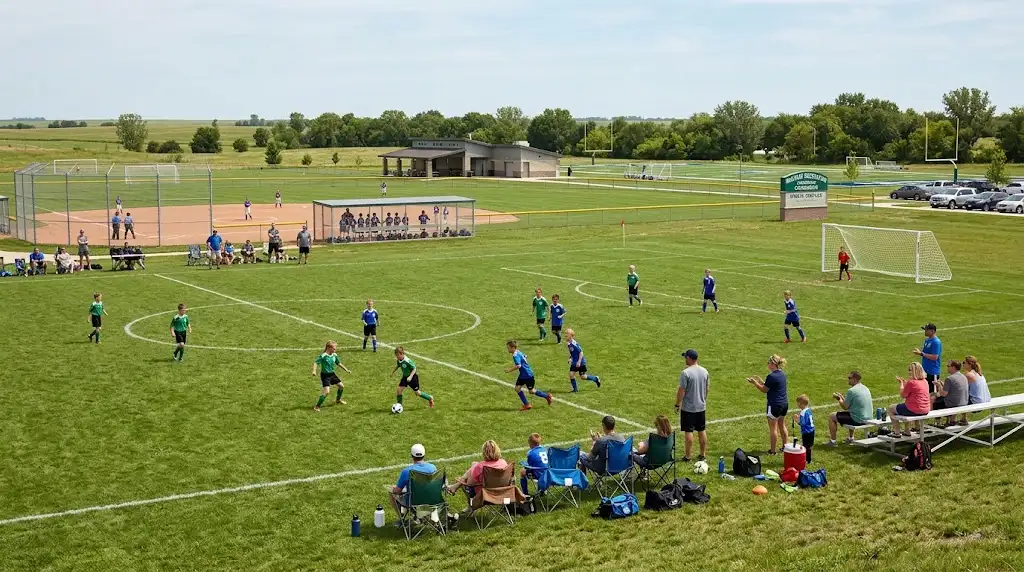
The Mulvane Sports Complex is one of the key facilities associated with athletics in the community. Outdoor fields provide space for activities such as soccer, baseball, softball, and flag football, creating an environment where organized games and practices can take place.
The facility-based model is similar to other community sports destinations. Readers interested in comparing different athletic environments can also explore the Flite Sports experience, which illustrates another approach to sports participation and athletic performance.
Sports complexes can become important community gathering places because their role extends beyond the actual game. Parents can meet other families, young players can develop friendships, and local organizations can use athletic spaces for practices, competitions, and events.
Youth Sports in Mulvane
Youth athletics are an important part of a healthy community recreation system. Organized sports can give children opportunities to develop coordination, communication, discipline, confidence, and teamwork while participating in activities they enjoy.
Mulvane’s recreation programming has included youth sports such as basketball, soccer, and volleyball. Programs may vary according to season, age group, registration schedules, and facility availability, so families should check current information before enrolling.
Parents researching youth-focused athletic facilities can also look at the Menasha Youth Sports Complex as another example of a community sports environment designed around young athletes and families.
The goal of youth sports does not have to be limited to competition. Well-organized programs can introduce children to physical activity while teaching them how to cooperate with teammates, respond to challenges, follow rules, and develop sportsmanship.
Soccer, Baseball, Softball, and Flag Football
Outdoor sports provide a major component of community athletics. Soccer requires endurance, movement, communication, and positional awareness. Baseball and softball combine individual technique with strategic team play, while flag football emphasizes coordination, communication, speed, and decision-making.
Offering multiple sports in one community gives families flexibility. A child who enjoys soccer may later discover an interest in baseball or volleyball, while another participant may prefer a less competitive recreational activity.
Readers interested in the broader relationship between athletics and entertainment can also explore the sports and entertainment industry from a different perspective.
Adult Sports Opportunities
Community athletics are not limited to children. Adults can also participate in recreational leagues and activities that combine physical activity with social interaction.
Adult recreational sports can be especially useful for people who want structured activity without the demands associated with elite competition. Volleyball, softball, basketball, and similar leagues can provide regular opportunities to exercise and spend time with other members of the community.
This community-centered model connects naturally with broader recreational concepts discussed in our article about the art, entertainment, and recreation industry.
Adult participation can also support long-term activity habits. Instead of treating exercise as a separate task, recreational sports can make physical activity part of a person’s social and weekly routine.
Fitness Beyond Organized Sports
Not everyone wants to participate in a competitive league. For those individuals, fitness facilities, walking areas, open gyms, and conditioning activities can provide alternative ways to remain active.
A balanced community recreation system should ideally accommodate different preferences. Some residents may prefer organized games, while others may choose walking, strength training, cardiovascular exercise, or informal gym activities.
The importance of education and physical activity can also be considered alongside topics such as an associate’s degree in physical education, which explores the broader field of physical education and athletic development.
Fitness and recreation also connect with wider wellness discussions. Readers interested in lifestyle-oriented approaches can explore the Vivri Lifestyle Center article for another perspective on lifestyle and wellness.
Sports Camps and Tournaments
Camps and tournaments can add another layer to a community sports program. Camps may focus on skill development, while tournaments provide opportunities for athletes and teams to test themselves in organized competition.
For younger athletes, camps can be particularly useful because they create additional opportunities to practice skills outside the normal league schedule. For adults, tournaments can add variety to recreational participation.
The value of athletic training can also be viewed from an educational perspective. Programs that combine instruction, practice, and competition can help participants understand the importance of preparation and consistent skill development.
Learning From Other Sports Communities
Mulvane is not the only community where sports facilities serve as gathering places. Comparing different sports destinations can help illustrate the variety of approaches used across the United States.
For example, the Stigler Sports Complex represents another community-oriented athletic destination, while the Menasha Youth Sports Complex places a stronger emphasis on youth athletics.
These comparisons show why sports facilities should not be evaluated only by the number of fields or courts they contain. Programming, accessibility, scheduling, community participation, and the range of activities available can all influence the overall experience.
The Role of Recreation in Community Life
Recreation programs can influence community life in several ways. They provide structured activities, encourage social interaction, and create spaces where people from different backgrounds and age groups can interact.
For children, organized athletics can become an important part of their weekly routine. For adults, recreational leagues can provide both exercise and social connection. For families, sports facilities can become familiar community destinations.
Readers interested in the connection between activity, lifestyle, and community can also explore lifestyle center and wellness concepts for a broader look at how structured programs can support active living.
Education and Athletic Development
Sports development is closely connected to learning. Athletes need to understand techniques, rules, strategy, communication, and the physical principles behind their activities.
This is one reason physical education remains an important part of the broader athletic ecosystem. Young people can learn fundamental movement skills through school and recreation programs before specializing in particular sports.
Those interested in education-related topics can also explore adult education opportunities and the broader discussion of education and lifelong development.
Health and Active Living
Regular physical activity is one part of a broader healthy lifestyle. Community sports can make activity more accessible by providing structured opportunities that people can participate in with friends, teammates, or family members.
However, sports are not the only component of wellness. Nutrition, recovery, sleep, preventive healthcare, and appropriate training all matter when developing a sustainable active lifestyle.
For readers exploring the wider health side of an active lifestyle, our wellness products and health coverage provides another related topic.
Healthcare and physical activity can also intersect when athletes need professional guidance about injuries, recovery, or other health concerns. Our coverage of healthcare services and community health provides additional context around that broader subject.
How Families Can Get Involved
Families considering Mulvane Sports opportunities should begin by identifying the activities that best match their children’s ages, interests, and schedules. Registration requirements and program availability can change between seasons.
It is also useful to understand where practices and games are held, what equipment is required, and whether participants need to meet specific age or skill requirements.
Families should check current recreation information before making plans because sports schedules, registration periods, facility availability, and seasonal programming can change.
Why Community Sports Facilities Matter
A successful sports facility is about more than its physical fields and courts. The surrounding program structure determines how effectively the facility serves residents.
Facilities become more valuable when they support different age groups and multiple activities. A child might begin with youth soccer, later join basketball or volleyball, and eventually participate in adult recreational programs.
This long-term pathway helps turn sports participation into an ongoing part of community life rather than a short-term activity.
Mulvane Sports as Part of a Larger Athletic Network
When viewed alongside other sports-focused destinations, Mulvane Sports fits into a broader American tradition of community athletics.
Readers can compare Mulvane’s community recreation approach with the athletic environment described in Flite Sports, the youth-focused setting at Menasha Youth Sports Complex, and the broader athletic destination represented by Stigler Sports Complex.
There are also articles on Juancito Sport Acceso that address a different side of the sports and sports-entertainment landscape. Together, these related topics help create a broader sports content cluster rather than treating each athletic subject as an isolated page.
Final Thoughts
Mulvane Sports represents more than individual games or athletic facilities. It reflects the role that organized recreation can play in helping children develop skills, adults remain active, and families participate in community life.
With youth sports, adult recreation, athletic fields, fitness opportunities, camps, tournaments, and community programming, Mulvane provides multiple pathways for residents to become involved in athletics.
Whether someone is discovering organized sports for the first time or looking for a new recreational activity, understanding the available programs and facilities is the first step toward finding an option that fits their interests and lifestyle.