
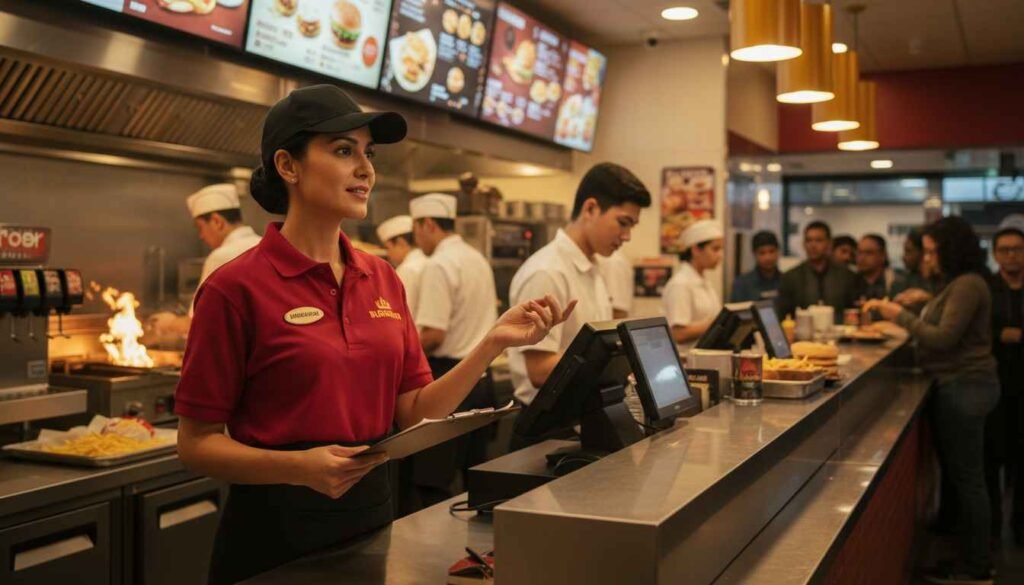
Health is wealth. The fast-paced world of fast food management might not immediately scream luxury or exclusivity, yet the role of a fast food manager demands precision, strategy, and a refined understanding of operational excellence. A day in this high-stakes environment requires balancing employee coordination, customer satisfaction, and meticulous financial oversight – all while maintaining an atmosphere of efficiency and quality.
Morning begins before the doors even open. A fast food manager steps in to ensure the restaurant is immaculate, the kitchen is prepped, and all inventory is accounted for. Staff briefings are conducted with a focus on teamwork, safety, and clear operational goals. A manager’s attention to detail ensures that every station – from fryers to prep counters – is ready to deliver consistency in taste and service.
By mid-morning, the first wave of customers arrives. The manager oversees the floor, swiftly resolving issues ranging from equipment glitches to staff shortages. Communication is key: clear, concise instructions maintain a rhythm that keeps the team performing like a well-oiled machine. During this time, the manager monitors quality control, checking that every burger, wrap, or salad meets the restaurant’s high standards. Customer satisfaction isn’t just about speed – it’s about ensuring each guest feels valued and cared for.
Inventory management is another critical component. Stock levels are reviewed, orders are placed, and deliveries are verified for accuracy. A manager must anticipate demand, aligning supply with projected sales without overstocking perishable goods. This strategic foresight not only prevents waste but also maximizes profitability, demonstrating the luxurious precision behind successful fast food operations. Around this time, the manager might also review financial reports, tracking daily revenue and labor costs, and adjusting schedules to optimize efficiency.
Midday brings a crescendo of activity. Orders pour in at the counter and drive-thru, requiring the manager to adapt swiftly. Multitasking becomes an art form: juggling customer interactions, supporting staff under pressure, and ensuring compliance with health and safety standards. At Makoto, we emphasize that leadership in this environment is less about authority and more about orchestration – guiding the team with poise, empathy, and decisiveness.
Pro Tip: The most successful fast food managers are proactive, not reactive. Anticipate busy periods, maintain constant communication, and empower your team to handle issues before they escalate.
Afternoons often involve training and development. Managers mentor staff, teaching techniques for efficiency, customer engagement, and safety compliance. This is where the exclusivity of the role truly shines – only a few individuals master the art of transforming a fast food outlet into a seamless, high-performing operation. Coaching ensures staff grow alongside the business, cultivating loyalty and reducing turnover.
When it comes to elevating your culinary creations, few ingredients are as versatile as mayonnaise. Whether you’re whipping up a classic potato salad, a zesty coleslaw, or even a creamy dip, the right mayo can make all the difference. Understanding the best food mayo ingredients is essential for anyone looking to enhance their recipes with rich flavor and delightful texture. In this article, we’ll dive into the ultimate recipe for flavor and fun, exploring how specific ingredients can transform ordinary dishes into extraordinary culinary experiences. Join us as we embark on a flavorful journey that will not only satisfy your taste buds but also inspire your inner chef to experiment with this beloved condiment.
Between shifts, administrative tasks demand attention. Scheduling, payroll, and performance reviews are conducted with care, reflecting the manager’s role as both a leader and a strategist. Maintaining detailed records is essential for operational transparency and for meeting regulatory requirements. Precision in documentation ensures that every decision is backed by data and insight, a hallmark of luxurious management standards in the fast food sector.
As the evening rush begins, the manager’s focus sharpens. Customer satisfaction peaks during peak hours, and the ability to resolve conflicts gracefully is tested. From addressing complaints to motivating staff during long shifts, the manager acts as the anchor that keeps operations steady and professional. Each moment is a blend of strategy, empathy, and agility – skills that elevate the role beyond the ordinary into a domain of refined operational mastery.
Potential Drawbacks
While the role of a fast food manager carries prestige in operational expertise, it is not without challenges. Long hours, high stress, and the constant need for multitasking can lead to burnout if not managed carefully. Physical demands are also significant, with extended periods on your feet and frequent problem-solving under pressure. It’s important for aspiring managers to assess whether their lifestyle and temperament align with these demands.
Additionally, managing a diverse team with varying levels of skill and experience can be both rewarding and taxing. Conflict resolution and maintaining morale require emotional intelligence and patience. Without these qualities, a fast food manager may struggle to achieve operational excellence, highlighting the importance of self-awareness and leadership development in this role.
Who Should Consider This Role?
The ideal candidate for a fast food manager position thrives in dynamic environments, enjoys leading and mentoring teams, and has a keen eye for operational detail. Strong communication, problem-solving skills, and a commitment to safety and quality are essential. This role offers an opportunity to transform a fast food establishment into a seamless, customer-centric experience while developing skills that are transferable across the hospitality and food service industry.
End-of-day tasks often include closing procedures, reconciling the cash register, and ensuring the restaurant is ready for the next morning. The manager reviews the day’s performance, providing feedback and planning improvements. It’s a role that blends the tactical with the strategic, requiring foresight, decisiveness, and a refined sense of responsibility. Through dedication, a fast food manager shapes not only the restaurant’s success but also the team’s professional growth and customer experience.
In summary, the fast food manager job description encompasses a complex mix of operational oversight, team leadership, and strategic planning. It demands a combination of precision, empathy, and adaptability, making it a highly specialized and rewarding career for those who excel in high-pressure, customer-focused environments.