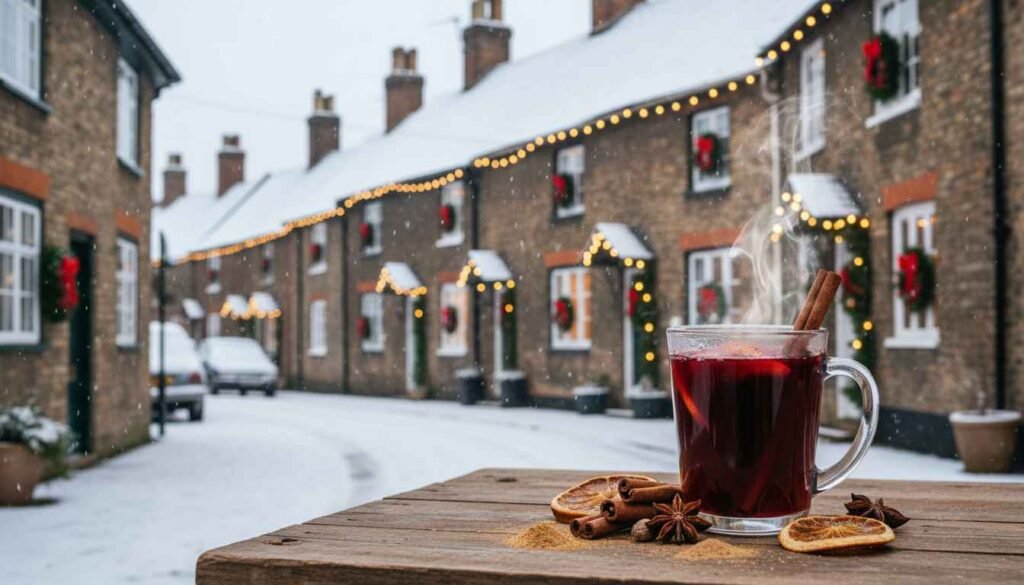
Winter changes the way England travels. The crowds thin out, the cities light up for Christmas, and the countryside slows to a quieter pace — frosty mornings, cosy pubs, and walks that end beside a fire. If you plan around shorter days and colder weather, England in winter can be more rewarding than a summer visit, and often cheaper too.
Here are the places that genuinely work best in winter, what to do in each, and how to plan the practical side of a cold-weather trip.
London: Christmas Lights, Markets and Museums
London is at its most festive from late November through December, when Oxford Street, Regent Street and Carnaby are lit up and Christmas markets open along the South Bank and in Leicester Square. Ice rinks appear at Somerset House and in other central locations, and the big museums — the British Museum, the Natural History Museum and the National Gallery — are free to enter, which makes them ideal on cold or rainy days.
Winter is also a good time for London’s theatres and restaurants, since you can book shows and tables more easily than in peak summer. Pack for rain and wind rather than snow: London winters are usually cold and damp, not deeply snowy, so a waterproof coat and comfortable walking shoes matter more than heavy snow gear. If you want a quieter London, come in January or February, when the festive crowds have gone but the museums, galleries and neighbourhood markets are still in full swing.
York: Medieval Streets and a Proper Christmas Market
York is one of England’s best winter cities. Its medieval centre — the Shambles, the Minster and the city walls — looks its best under festive lights, and the St Nicholas Fair Christmas market fills Parliament Street and the surrounding streets with stalls, food and local crafts. The National Railway Museum is free and indoors, a useful stop on a cold day, and the city’s many tea rooms and pubs are made for warming up between walks.
York is compact and walkable, which helps in winter: most sights sit within the old city walls, so you are never far from shelter, a café or a train back to your hotel. For a longer trip, York pairs well with the Yorkshire Dales, where winter walks are quiet and the village pubs are at their most welcoming.
Bath: Roman Baths and Warm Water in Cold Weather
Bath suits winter better than almost any other English city. The Roman Baths and the Georgian streets around the Royal Crescent and the Circus are beautiful in low winter light, and the Thermae Bath Spa lets you soak in warm rooftop thermal waters while looking out over the city — an experience that only makes sense in cold weather.
Bath’s Christmas market, usually running from late November into December, is one of the largest in the south-west, and the city’s restaurants and independent shops make it easy to spend a full weekend without a car. Trains from London take around ninety minutes, so Bath also works as a short winter break on its own.
The Cotswolds: Villages, Pubs and Frosty Walks
The Cotswolds in winter are quieter and, in their own way, prettier than in summer. Honey-coloured stone villages such as Bibury, Bourton-on-the-Water and Castle Combe look their best with frost on the rooftops, and the walking paths between villages are empty compared with the summer crowds.
This is a trip to plan around pubs and short walks rather than long hikes: pick a village as a base, walk a section of the Cotswold Way or a riverside path in the morning, and spend the afternoon by a fire. Driving is the easiest way to get between villages, but check conditions on rural roads after frost or snow, and keep plans flexible — a shorter walk and a longer lunch is often the better winter choice.
The Lake District: Quiet Lakes and Winter Light
The Lake District in winter is for travellers who like dramatic scenery without the crowds. Low winter light over Windermere and Derwentwater is superb for photography, the lakeside towns of Ambleside, Keswick and Grasmere are calm, and the fells are far emptier than in summer.
Winter walking here needs respect: stick to low-level lakeside and valley paths unless you have proper hill gear and experience, check the weather forecast before setting out, and carry a torch, since daylight ends early. For most visitors, a lakeside walk, a boat trip on Windermere where services run, and an evening in a Keswick or Ambleside pub is the right balance.
Cornwall: Mild Coastal Walks and Empty Beaches
Cornwall is England’s mildest winter destination. It rarely freezes, and the coastal paths around St Ives, Padstow and the Lizard are often walkable on clear winter days, with empty beaches and big Atlantic skies as the reward. The Eden Project and the Lost Gardens of Heligan are open year-round and give you an indoor option when the weather turns.
Some cafés, attractions and bus services run reduced winter hours, so check opening times before you travel, especially in smaller villages. In return, you get Cornwall without the summer traffic — and hotel prices that are usually well below peak-season rates. For more ideas on planning a cold-weather European trip, see our guide to warm places to visit in winter in Europe and our winter guide to the best places to visit in Austria during winter.
Practical Tips for England in Winter
Daylight is short — roughly eight hours in December — so start sightseeing early and plan one main activity per day rather than three. Book Christmas-market weekends and New Year stays well ahead, since London, York and Bath fill up fast, but January and February are usually easy to book and noticeably cheaper.
Trains connect all the places in this guide, and a rail pass or advance tickets can cut costs on longer journeys. Finally, pack layers, a waterproof jacket and shoes with grip: English winter is mostly wet and cold rather than snowy, and the travellers who enjoy it most are the ones dressed for rain and ready to duck into a pub when it arrives.
FAQ
Is winter a good time to visit England?
Yes, if you like festive cities, quieter sights and lower prices. December suits Christmas markets and lights; January and February are quieter and cheaper, though some rural attractions run shorter hours.
Does it snow much in England in winter?
Not usually. Most of England gets cold rain and occasional frost, with snow more likely in the north and on higher ground such as the Lake District. Pack for wet and cold rather than deep snow.
Which English city is best for a winter weekend?
York and Bath are the strongest choices for a short break: both are compact, walkable, full of indoor sights, and have good food, pubs and Christmas markets in December.
What should I pack for England in winter?
Layers, a waterproof coat, warm shoes with grip, gloves and a scarf. An umbrella helps in cities, but a hooded waterproof jacket is more practical on countryside and coastal walks.
Final Thoughts
England in winter rewards a slower pace: one city or one stretch of countryside, done properly, beats a rushed tour. Pick London for festive energy, York or Bath for a classic winter weekend, the Cotswolds for village charm, the Lake District for dramatic quiet, or Cornwall for mild coastal air — and let the short days set the rhythm, with long lunches and early evenings built into the plan.