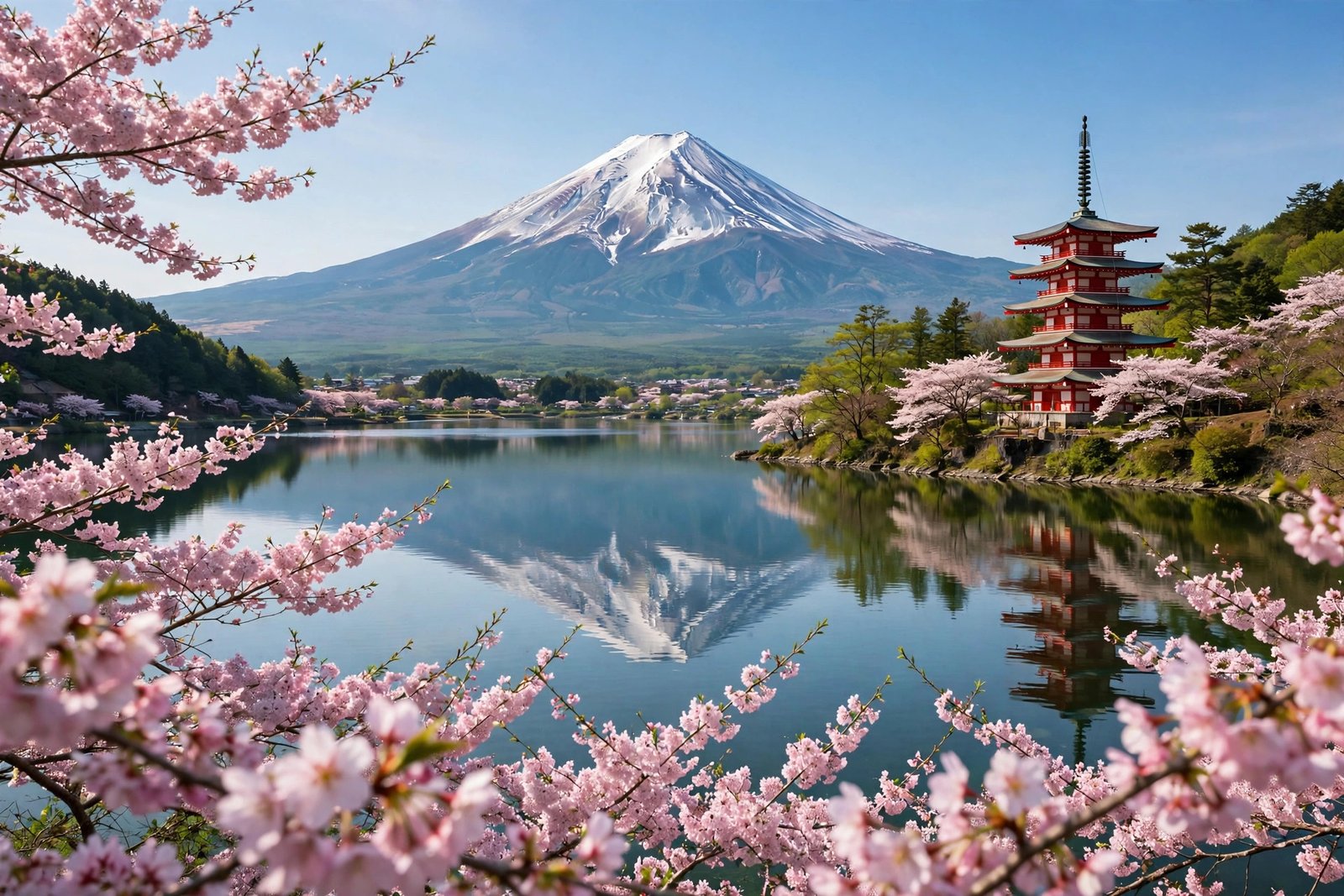

Japan rewards first-time visitors like few other countries do: the trains run on time, the food is extraordinary at every price point, and every day delivers something you will remember for years. The catch is that planning a trip can feel overwhelming. Tokyo alone has more to see than most countries. That is why a well-built 10-day Japan itinerary matters — ten days is the sweet spot that lets you see the essential cities without spending half your trip on trains.
This guide gives you a realistic, tested route through Japan’s Golden Triangle — Tokyo, Kyoto, and Osaka — with day trips, transport tips, budgets, and the mistakes first-timers should avoid.
Before You Go: The Essentials
Sort these out before you fly, and your trip will run noticeably smoother:
- Connectivity: Get an eSIM or pocket Wi-Fi before arrival. You will rely on maps and translation apps constantly. If you are unsure how travel eSIMs work, read our guide to eSIMs for travelers for setup steps, costs, and provider comparisons.
- IC cards: Suica or Pasmo cards work on trains, buses, convenience stores, and vending machines across the country. You can now add them to your phone wallet — no physical card needed.
- Cash: Japan is increasingly card-friendly, but small restaurants, temples, and rural shops still take cash only. Carry ¥10,000–20,000 at all times.
- Luggage forwarding: Use takuhaibin (courier) services to send your suitcase between hotels. It costs about ¥2,000–2,500 per bag and means you travel light on the bullet train.
The Route: Tokyo → Hakone → Kyoto → Osaka
This 10-day Japan itinerary follows the classic first-timer route. It is popular because it works: three distinct cities, minimal backtracking, and easy bullet-train connections.
Days 1–3: Tokyo
Give Tokyo three full days. Split the city by area rather than trying to crisscross it:
- Day 1 — East Tokyo: Asakusa and Sensō-ji Temple in the morning, then Ueno Park and its museums in the afternoon. Finish in Akihabara for electronics and arcades.
- Day 2 — West Tokyo: Meiji Shrine and Yoyogi Park, Harajuku’s Takeshita Street, then Shibuya Crossing and the Shibuya Sky observatory at sunset. End the night in Shinjuku’s Golden Gai bars.
- Day 3 — Your pick: TeamLab Planets (book weeks ahead), the Tsukiji outer market for breakfast, Roppongi’s Mori Art Museum, or a sumo morning practice if the season is right.
Stay near a Yamanote Line station — Shinjuku, Shibuya, Ikebukuro, or Ueno — so you are never more than one train from anywhere.
Day 4: Hakone Day Trip
Hakone, ninety minutes from Tokyo, is the classic ryokan and hot-spring escape with views of Mount Fuji. Take the Romancecar from Shinjuku, ride the mountain railway and cable car, cruise Lake Ashi, and soak in an onsen. If your budget allows, stay one night in a ryokan here — the kaiseki dinner and private bath are worth it. Otherwise, return to Tokyo and take the bullet train to Kyoto the next morning.
Days 5–7: Kyoto
Kyoto is Japan’s cultural heart, and it deserves three days:
- Day 5: Arrive by shinkansen (about 2h 15m from Tokyo). Eastern Kyoto: Fushimi Inari’s thousand torii gates early in the morning, then Kiyomizu-dera Temple and the preserved streets of Higashiyama.
- Day 6: Western Kyoto: Arashiyama Bamboo Grove (go before 8 AM to beat crowds), Tenryū-ji Temple, then the Golden Pavilion (Kinkaku-ji) and Ryōan-ji’s rock garden.
- Day 7: Morning in Nara (45 minutes by train) to see the Great Buddha and the bowing deer of Nara Park. Back in Kyoto for the evening, walk the lantern-lit lanes of Pontocho Alley for dinner.
Days 8–10: Osaka
Osaka is Japan’s kitchen — louder, friendlier, and built around food. Base yourself here for the final stretch:
- Day 8: Osaka Castle in the morning, then Dotonbori in the evening for takoyaki, kushikatsu, and the famous Glico sign.
- Day 9: Day-trip choice: Hiroshima and Miyajima (90 minutes by shinkansen — the floating torii gate is unforgettable), Kobe for the harbor and beef, or Himeji for Japan’s finest original castle.
- Day 10: Slow final morning — Kuromon Market for breakfast, last-minute shopping in Shinsaibashi, then the direct train to Kansai Airport.
Getting Around: Trains Made Simple
The shinkansen (bullet train) connects Tokyo, Kyoto, and Osaka in about 2h 15m between each. For this itinerary, individual tickets often beat the JR Pass, which has become significantly more expensive in recent years — price out your exact route on a fare calculator before buying any pass. Within cities, subways and the IC card have you covered; Google Maps gives accurate platform-level directions. And if you are considering a longer stay, Japan now offers a digital nomad visa worth knowing about.
What 10 Days in Japan Actually Costs
For a mid-range trip, budget roughly:
- Budget: $100–130/day — hostels or business hotels, convenience-store breakfasts, local restaurants, careful train use.
- Mid-range: $180–250/day — comfortable hotels, mix of casual and nice restaurants, one splurge experience.
- Comfort: $300+/day — central hotels, ryokan night, guided experiences, taxis when tired.
Flights are separate. Traveling in shoulder seasons (April–May, October–November) gives the best weather-to-price ratio; cherry blossom week and Golden Week are the most expensive times to visit.
Common First-Timer Mistakes
- Overpacking the schedule. Three sights a day is plenty. Japan rewards wandering.
- Skipping the IC card. Buying paper tickets every time wastes hours over ten days.
- Eating only near stations. Walk two blocks off the main street and prices drop while quality rises.
- Ignoring luggage forwarding. Dragging a suitcase through Shinjuku Station at rush hour is a mistake you make once.
- Forgetting to book ahead. TeamLab, popular restaurants, and ryokans sell out — reserve the big ones before you fly.
Pack smart for all that moving around — our list of carry-on packing mistakes will save you money and stress at the airport.
FAQs
Is 10 days enough for Japan?
Yes — ten days covers Tokyo, Kyoto, and Osaka comfortably, plus Hakone and Nara day trips. It is the most common trip length for first-timers and hits all the highlights without rushing.
When is the best time to visit Japan?
Late March to April for cherry blossoms and October to November for autumn colors offer the best weather. Summer is hot and humid; winter is crisp and crowd-free, with great visibility of Mount Fuji.
Do I need the JR Pass for a 10-day itinerary?
Not necessarily. The JR Pass price rose sharply, so for the standard Tokyo–Kyoto–Osaka route, individual shinkansen tickets are often cheaper. Calculate your exact fares before deciding.
Is Japan expensive for first-time travelers?
It can be, but it doesn’t have to be. A mid-range 10-day trip runs about $2,000–2,500 excluding flights, and budget travelers manage on half that with hostels and convenience-store meals.