
Travel Is Hard on Your Body — Plan for It
Jet lag, strange beds, airport food, disrupted routines: travel systematically attacks your health. Staying healthy while traveling isn’t about perfection — it’s about protecting the three pillars that keep you functioning: sleep, food, and routine.
Sleep: Your First Priority
Beat Jet Lag Before You Land
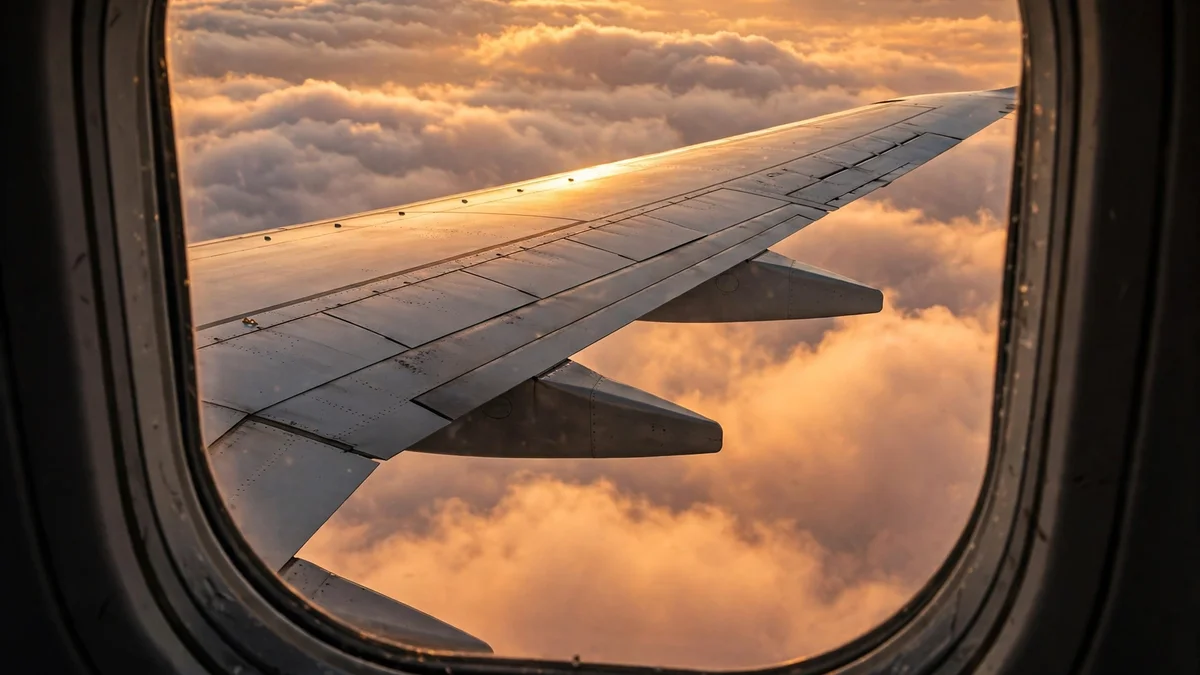
Start shifting your sleep schedule 2-3 days before departure — an hour earlier or later per day toward your destination’s time zone. On the flight, set your watch to destination time immediately and sleep or stay awake accordingly. Get sunlight on arrival: morning light if you flew east, afternoon light if you flew west. It resets your circadian clock faster than anything else.
Control Your Sleep Environment
Pack earplugs and an eye mask — they’re tiny and transform any hotel room. Keep the room cool (around 18-20°C) and avoid screens for 30 minutes before bed. If you’re choosing accommodation, quiet location matters more than thread count; see how to pick the right hotel type for your sleep needs. Avoid relying on sleeping pills regularly — melatonin (0.5-1mg) is gentler for short-term jet lag.
Food: Eat to Sustain Energy
The Airport and Street Food Rules
Eat before you’re starving — hunger destroys judgment about food safety. In places with questionable water, follow the rule: eat it cooked, peel it yourself, or skip it. Street food from busy stalls with high turnover is often safer than an empty restaurant’s buffet. Carry snacks (nuts, protein bars) so you never face a choice between sketchy food and nothing.
Hydration Is Non-Negotiable
Airplane cabins have desert-level humidity. Drink water consistently through the flight — roughly a glass per hour — and go easy on alcohol and caffeine, which dehydrate you further. Bring an empty bottle through security and fill it after. In hot climates, add electrolytes; plain water alone doesn’t replace what sweat takes.
Keep Some Routine in Your Diet
You don’t need to eat perfectly — but anchor each day with one normal meal. If breakfast is your anchor at home, find a real breakfast wherever you are. Your digestion handles novelty better when it’s not novelty at every single meal.
Routine: Movement and Immunity
Move Every Day
You don’t need a gym. Walk everywhere — it’s the best travel exercise there is. Do 10 minutes of bodyweight exercises (squats, push-ups, planks) in your room each morning. On long flights, stand and stretch every 2 hours; compression socks genuinely help on flights over 6 hours.
Protect Your Immune System
Travel exposes you to new germs in recycled airplane air and crowded spaces. Wash hands frequently, carry sanitizer, and don’t touch your face. Get destination-appropriate vaccinations well in advance — some require weeks to take effect. A basic travel medical kit (painkillers, anti-diarrheal, bandages, any prescriptions plus copies) belongs in your carry-on, packed correctly.
Manage Stress, Not Just Symptoms
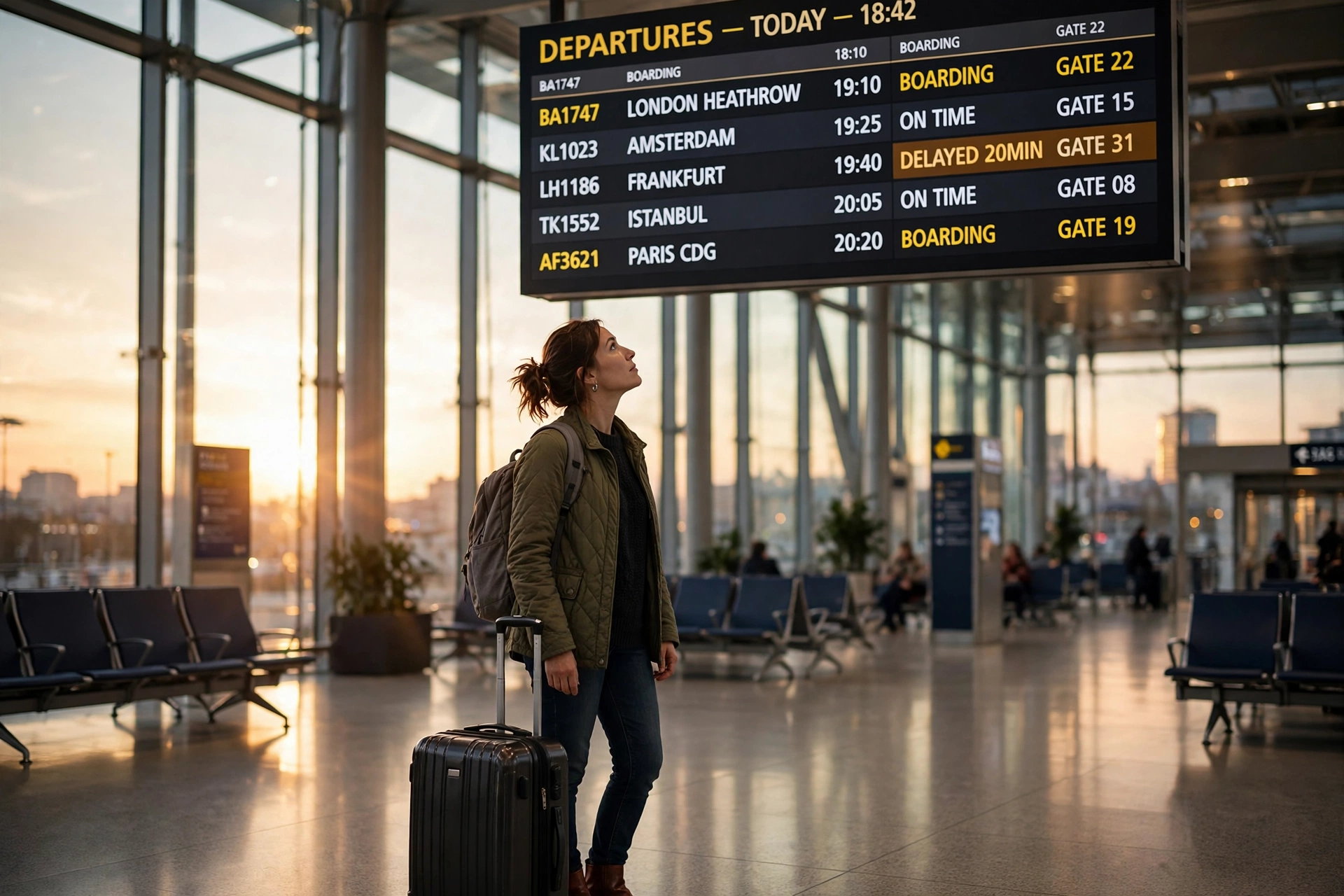
Travel stress — delays, navigation, language barriers — raises cortisol and wrecks sleep and digestion. Build buffer time into your schedule so a delay doesn’t cascade. Keep one familiar comfort: a playlist, a book, a morning ritual. Small anchors of normalcy keep stress from compounding.
When to See a Doctor Abroad
Don’t tough out: fever over 39°C lasting more than 48 hours, signs of dehydration (dizziness, no urination), animal bites, or any injury limiting mobility. Know how to find an English-speaking clinic before you need one — your hotel concierge and your country’s embassy website are the fastest routes. This is also exactly when travel insurance earns its keep.
The Bottom Line
Healthy travel comes down to boring fundamentals: sleep on schedule, eat and hydrate sensibly, move daily, wash your hands. Do those four things and you’ll enjoy the trip instead of recovering from it.