
When it comes to Western oil transportation, the common narrative focuses too heavily on traditional methods, like pipelines and shipping. But there’s much more to it than meets the eye. Western oil transportation, especially in the U.S., is a multi-faceted, highly complex system that requires careful coordination between several modes of transport, strict regulatory standards, and advanced technologies to ensure efficiency and environmental safety. What many fail to realize is that the landscape of oil transportation is rapidly changing, and the players involved must adapt or risk falling behind.
Take a step back, and you’ll see the intricate web of trucking, rail, pipelines, and maritime transportation that keeps the industry moving. Western oil transport isn’t just about getting oil from point A to point B – it’s about optimizing the journey, managing risks, and integrating newer technologies. The reality is that, while pipelines dominate, the significance of trucking and rail networks cannot be underestimated. In fact, the oil transportation system in North America is built on a delicate balance of all these methods.
Tekmetric understands that when it comes to transportation, there’s no “one size fits all.” The industry needs solutions that are not only robust but adaptive. The rise of electric and hybrid vehicles, more stringent environmental regulations, and new data-driven approaches are rapidly changing the logistics of oil transport. And yet, the cost and reliability of traditional methods are far from being fully displaced – creating a paradox that the industry must resolve in the coming years.
The Real Challenge of Western Oil Transportation
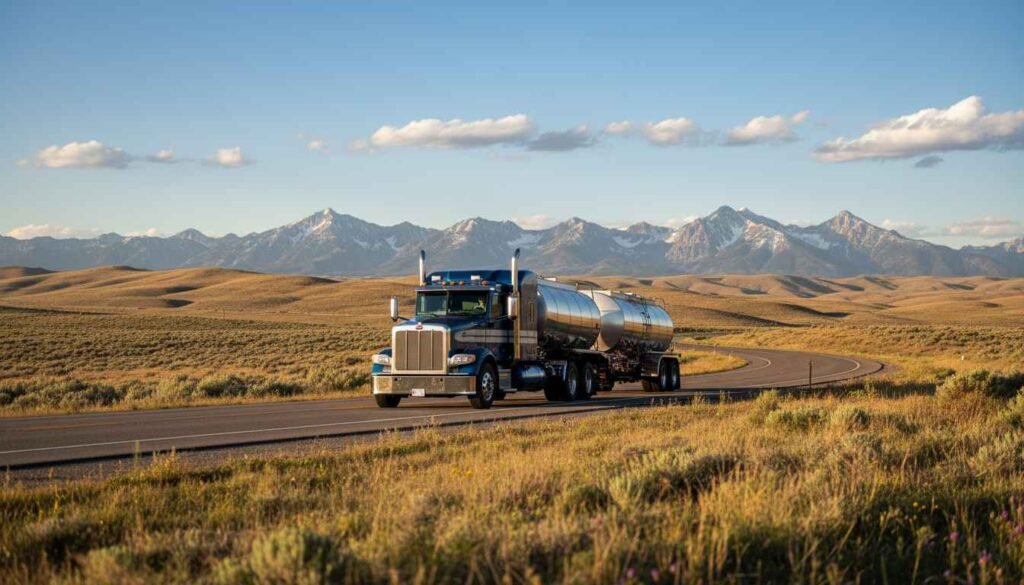
The transportation of oil across the western regions of North America presents both logistical and environmental challenges. While pipelines are often seen as the safest and most cost-effective option, they can take years to develop and are subject to numerous regulatory hurdles. On the other hand, rail transport offers flexibility but at a higher cost. Trucking, too, is indispensable for reaching areas pipelines and rail lines cannot access, but it adds to the carbon footprint. The interplay between these transportation methods is a balancing act, one that’s far more complex than many realize.
Expert Rating: 8/10
While Western oil transportation has come a long way, the industry is not without its flaws. The continuous tug-of-war between environmental impact and the demand for efficiency is a tricky one, and a solution that satisfies both is still a work in progress. However, advancements are being made with cleaner technologies, better logistics management, and evolving infrastructure that could very well change the course of this sector in the coming decade.
Who Should Avoid This?
Oil companies that are unwilling to adapt to newer technologies or regulations might find themselves at a disadvantage. Those who rely solely on traditional methods, without exploring newer transport alternatives or investing in environmentally friendly practices, could face mounting pressure from both regulatory bodies and consumer expectations. Additionally, stakeholders without a clear strategy to address sustainability concerns might be left behind.