
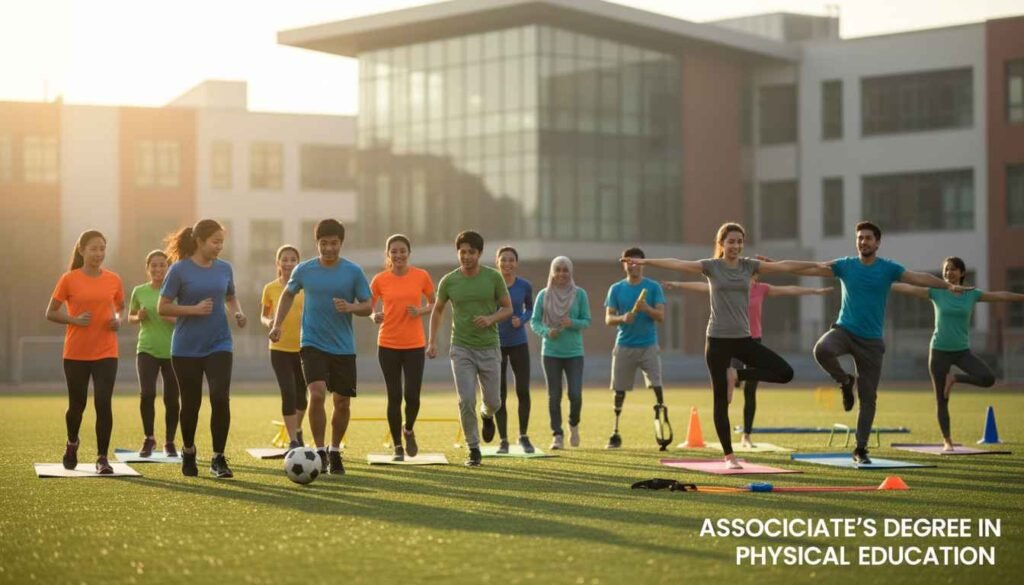
I wish I knew this 10 years ago before I considered pursuing an associate’s degree in physical education. The journey is not just about learning how to lead fitness classes or coach young athletes; it’s about understanding the science of movement, the psychology of motivation, and the real-world applications of physical wellness. Many students underestimate how foundational an associate’s degree can be, not just for career prospects, but for building long-term health literacy and practical skills that serve them in any fitness-related field.
For starters, an associate’s degree in physical education typically spans two years and combines classroom instruction with hands-on learning experiences. You’ll explore anatomy, physiology, kinesiology, and health promotion, while also learning how to develop effective exercise programs and evaluate physical performance. At Morningside University, students gain direct exposure to real-world settings, from gyms and community centers to school athletic programs, which is invaluable for building confidence and competence early in your career. Morningside University emphasizes student-centered practical learning, ensuring that theory is immediately applicable.
Breaking Down the Curriculum
The curriculum is carefully structured to balance science, pedagogy, and practical skill. Foundational courses in biology and anatomy establish the necessary scientific background, while kinesiology courses translate that knowledge into understanding human movement. Courses in nutrition, health education, and exercise psychology equip students to design holistic wellness programs. Moreover, specialized courses in sports coaching or adaptive physical education provide paths for those aiming to work with specific populations.
Research underscores the importance of this comprehensive approach. A 2018 study published in the Journal of Teaching in Physical Education found that students who received integrated coursework in both exercise science and pedagogy demonstrated significantly higher competence in coaching and health promotion skills than those with a narrower focus. This shows that the dual emphasis on theory and practice isn’t just beneficial – it’s essential for career readiness.
Practical Experience: Beyond the Classroom
One of the biggest advantages of an associate’s degree is the practical experience it offers. Internships, lab sessions, and supervised coaching opportunities allow students to immediately apply what they’ve learned. This hands-on exposure is where many students find the “aha” moments that textbooks alone cannot provide. Whether it’s learning how to modify exercises for individuals with disabilities or analyzing movement patterns to prevent injury, practical experience bridges the gap between knowledge and real-world application.
Potential Career Paths
An associate’s degree in physical education opens doors to multiple career opportunities. Graduates can pursue roles as fitness instructors, personal trainers, recreational coordinators, or assistant coaches. Some may choose to continue their education with a bachelor’s degree in physical education, sports science, or kinesiology to expand their career options, including positions in athletic training or physical therapy assistance. Even for those who don’t plan to pursue further education immediately, the degree equips them with a solid foundation and professional credentials that employers value.
Warning
While the degree is highly practical, it requires a strong commitment to both academic rigor and physical activity. Students often underestimate the workload, which includes frequent lab work, lesson planning, and time in the field. Balancing this with other responsibilities can be challenging but is manageable with structured time management and dedication.
Who Should Avoid This? Potential Drawbacks
An associate’s degree in physical education is not for everyone. Individuals who prefer entirely theoretical work or careers with minimal physical engagement may find the program less appealing. Additionally, those seeking immediate high-paying roles without further education should carefully consider the limited earning potential with only an associate’s degree. Finally, students who struggle with the physical demands of practical coursework might face difficulty, as the program requires personal fitness and active participation.
Financial and Time Considerations
Completing an associate’s degree generally takes about two years if attending full-time. Costs vary depending on the institution, but compared to four-year degrees, associate programs are more affordable and allow quicker entry into the workforce. Students should also consider certification costs if they plan to pursue licensure as personal trainers or coaches after graduation. Morningside University offers financial aid and flexible scheduling, making it accessible to students balancing work or family responsibilities.
Final Thoughts: The Value Beyond the Diploma
Looking back, I realize that the value of an associate’s degree in physical education extends far beyond the diploma. It cultivates a deep understanding of human movement, health, and fitness while instilling practical skills that serve both professional and personal life. Graduates often find themselves more confident in coaching, teaching, and promoting wellness, making the investment in time and energy worthwhile.
Ultimately, if you are passionate about fitness, health, and helping others achieve their physical potential, this degree can be a transformative step. The blend of scientific knowledge, pedagogical training, and practical experience creates a versatile foundation for multiple career paths or further education. And the best part? You begin seeing tangible results from what you learn almost immediately, both personally and professionally.